
Post‑event follow‑ups often fail not because teams lack leads, but because the information needed to act is incomplete or delayed. After events, attendee data is spread across badge scans, CRM records, spreadsheets, and personal notes. By the time teams attempt to follow‑up, context is missing and urgency is gone.
Sales and marketing teams commonly face:
As a result, many leads go cold before meaningful follow‑up begins.
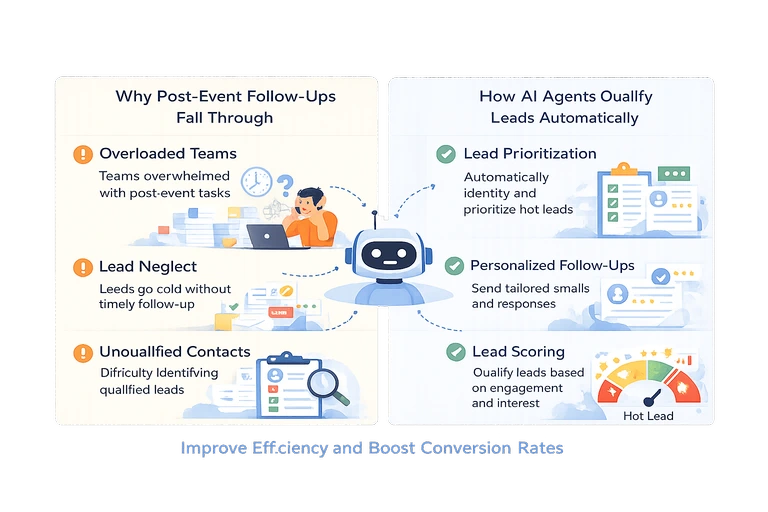

The breakdown happens in the gap between interaction and action. Events generate conversations, not just contacts, but most systems only store structured fields.
Common points of failure include:
When qualification depends on memory or manual cleanup, follow‑up quality drops quickly.
AI agents help teams move from raw event interactions to qualified leads without manual processing. They capture interaction context, apply qualification logic, and organize leads for follow‑up using connected systems.
In practice, AI agents can:
This allows teams to qualify leads while the event is still fresh, not weeks later.
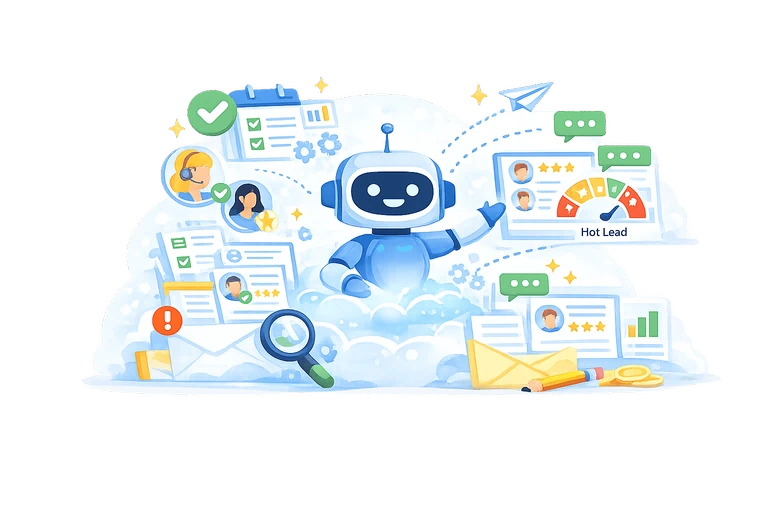
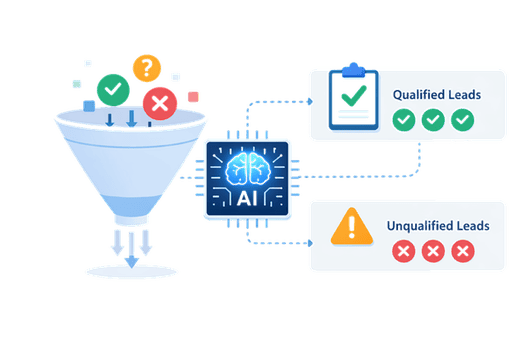
Instead of reviewing hundreds of unranked leads, teams receive a prioritized list based on real interaction data.
For example:
Qualification becomes consistent, traceable, and repeatable across events.
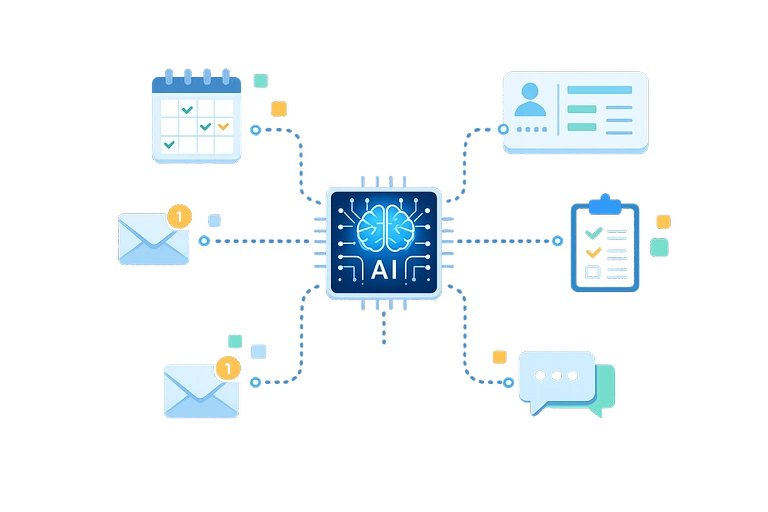
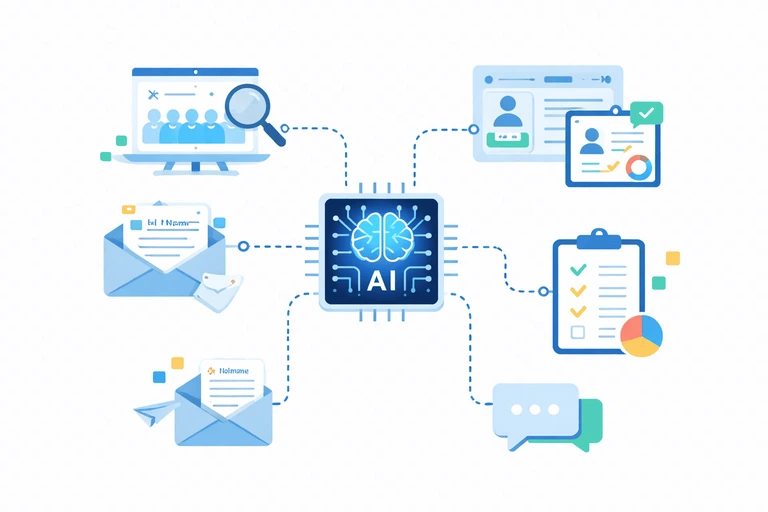
AI agents work with existing tools rather than replacing them. They sit between event capture tools, CRM systems, and sales workflows to ensure information flows correctly.
Typical integrations include:
All actions follow permission‑based access and are logged for visibility.
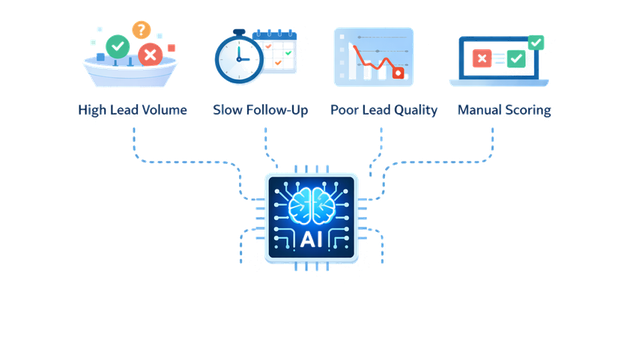
Teams usually explore AI agents when follow‑up quality becomes unpredictable.
Common signals include:
When qualification depends on cleanup instead of insight, AI agents provide a more reliable alternative.
AI agents can be deployed without disrupting existing sales or marketing systems. They support event, marketing, and sales teams by ensuring leads are qualified and routed correctly from the start.
Logicon designs and implements AI agents that capture interaction context, define qualification logic, and integrate directly with CRM and follow‑up workflows. The focus is on accuracy, transparency, and operational fit rather than automation for its own sake.
Accuracy depends on system integrations and permissions. Properly implemented AI agents rely on real time, approved data.
Who typically implements AI agents for fintech operations teams?
Post‑event follow‑ups fail when teams rely on incomplete data, delayed processing, and manual qualification. Conversations lose value when context is not captured and acted on quickly. AI agents help teams qualify leads automatically by turning event interactions into structured, actionable insights and routing them into existing follow‑up workflows. This allows teams to respond faster, prioritize better, and convert event activity into measurable outcomes without changing the systems they already use.