AI AGENTS.INTEGRATION.AUTOMATION.
Smooth data transformation Easy & quick access to data Synchronized & streamlined dataflow Smooth adoption to transformation Exceptional customer experience
We design & deploy AI agents that actually do work for your teams, and we back them with the integrations, automation, and adoption support needed to make them stick.
AI is only as good as the data it can reach. We connect CRMs, ERPs, EHRs, ticketing tools, portals, and data sources so your AI agents and people can rely on a single, consistent flow of information.
Change only works when people embrace it. Our adoption specialists work with your teams to design communication, training, and support so AI agents and new workflows become part of daily habits.
We design AI agents that act like your teammates. They listen, understand context, and take action – answering questions, triggering workflows, and surfacing insights from your data so your teams can move faster
We turn repetitive, manual steps into orchestrated workflows powered by AI and rules. From simple task routing to multi‑step processes, automation frees your teams to focus on higher‑value work.
The kind that starts with small wins like cutting minutes off routine tasks and build into bigger changes that transform the way your business runs.
We keep your solutions steady day and night. With 24/7 support, things keep running smoothly and your team can breathe easy.
We don’t just follow instructions. We guide and show you what’s truly possible, often beyond what you thought you needed.
Our AI agents speak the language of your business, and understand your business.
Wherever there’s complex data and teams who need fast, reliable answers, we can help.
We build AI agents, integrations, and automation across industries such as:
Labs, hospitals, and digital health platforms
Digital banking, lending, and financial tool
Universities, colleges, and learning platforms
Firms and legal software providers
Conferences and experience‑driven organizations
Discover The Stories Behind Successful Transformations.
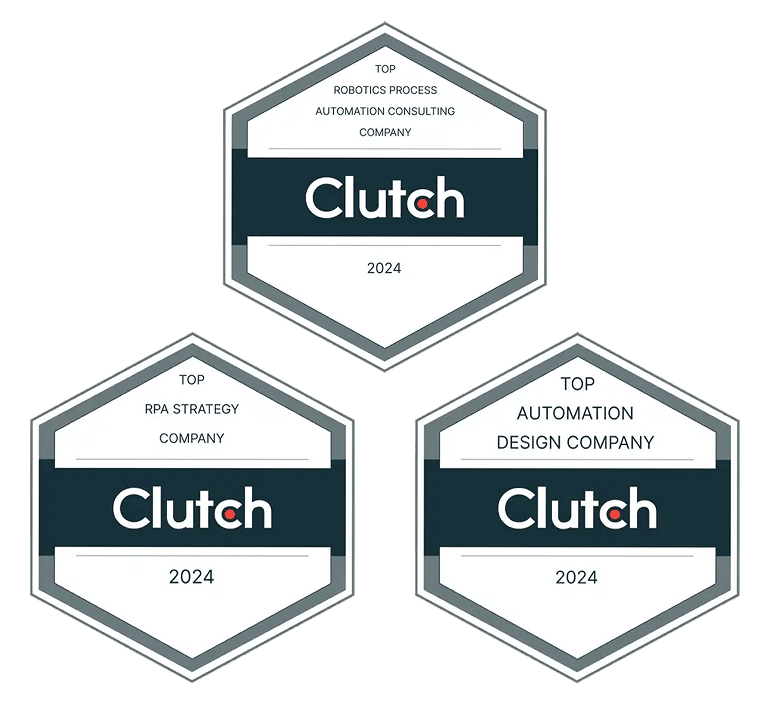
We’re proud to be recognized for our work in automation and integration, but the real win is when our clients’ teams feel the difference in their day-to-day work.
Intelligent agents automate patient data collection and initial clinical sorting. This streamlines front-desk operations, reduces
Targeted AI automation reduces clinician burnout by absorbing repetitive administrative tasks. This frees up frontline
This article presents a five-layer framework for human-centered healthcare technology. Health system leaders can use
Whether you’re exploring your first AI co-pilot or scaling agents across multiple teams, we can help you design, integrate, and launch with confidence.