
Sales teams generate hundreds or thousands of leads from events, but only a small portion show real buying intent.
AI agents help sales teams prioritize event leads by connecting engagement data, CRM history, and intent signals to surface which prospects are most likely to convert. This allows teams to focus follow‑up efforts on leads that matter, without manual scoring or guesswork.
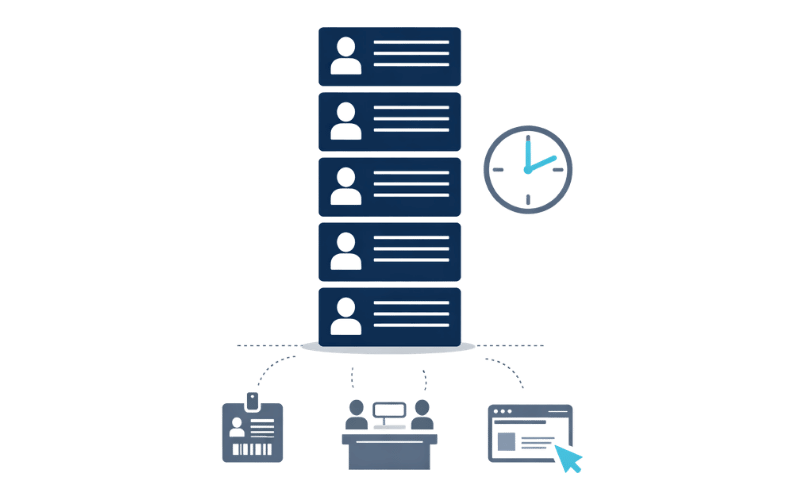
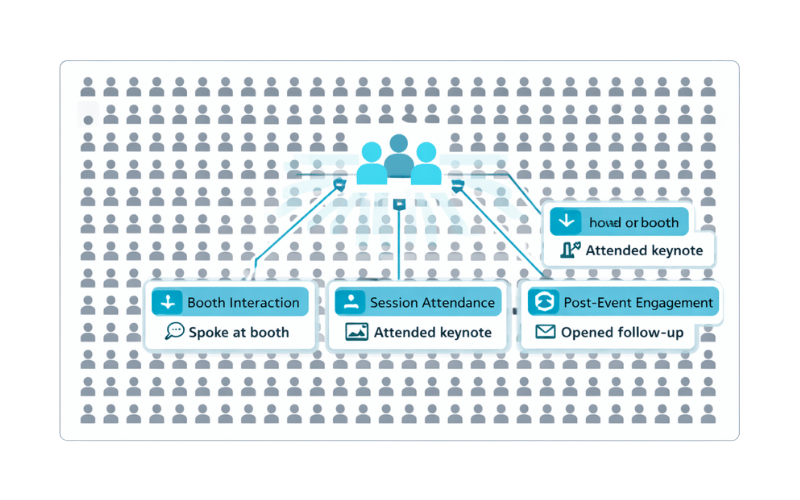
Event leads arrive with limited context. Badge scans, form fills, and booth interactions capture volume, not intent.
Sales teams often struggle because:
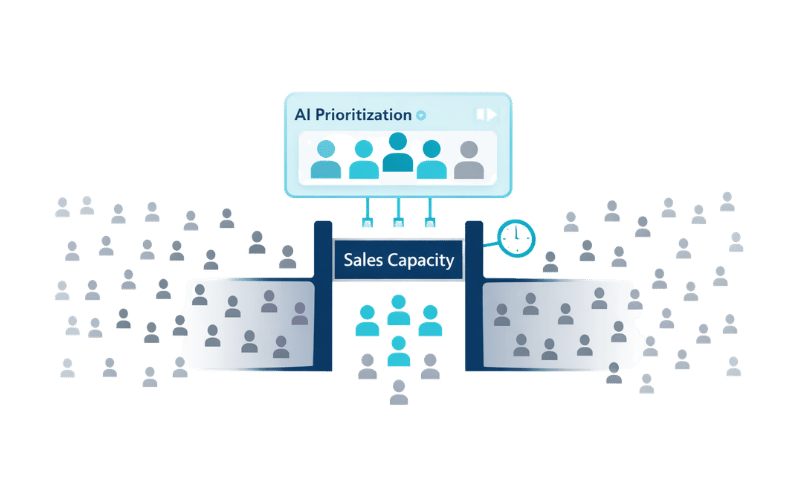
As a result, high‑intent leads are contacted too late, while low‑intent leads consume sales capacity.
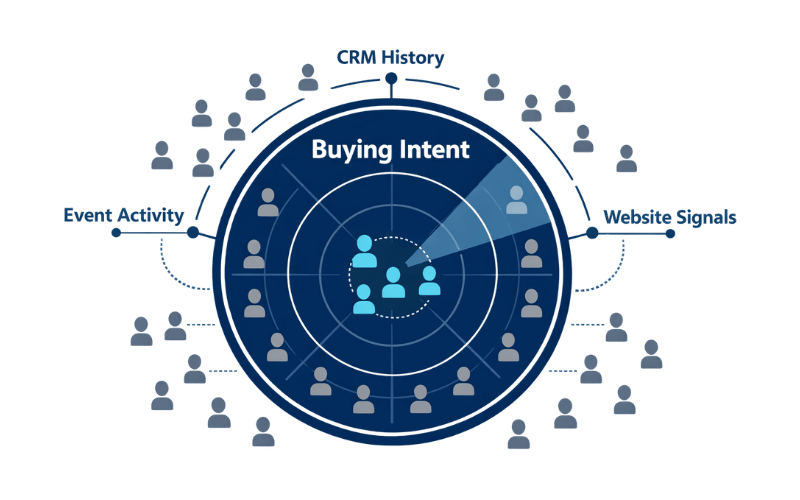
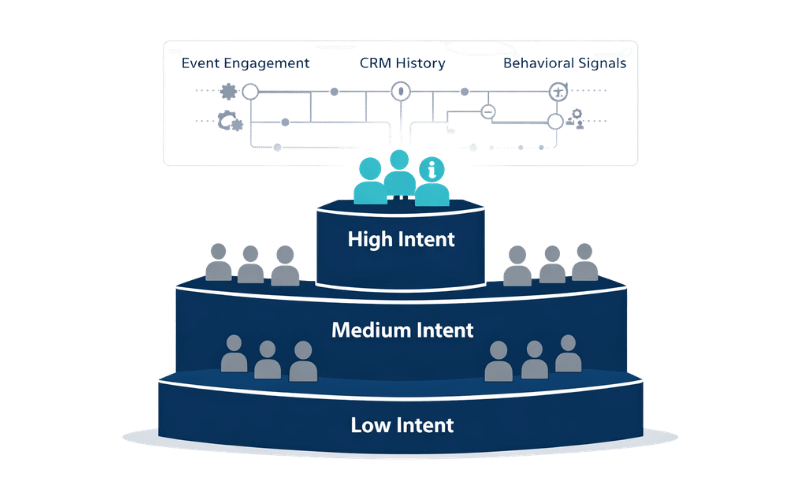
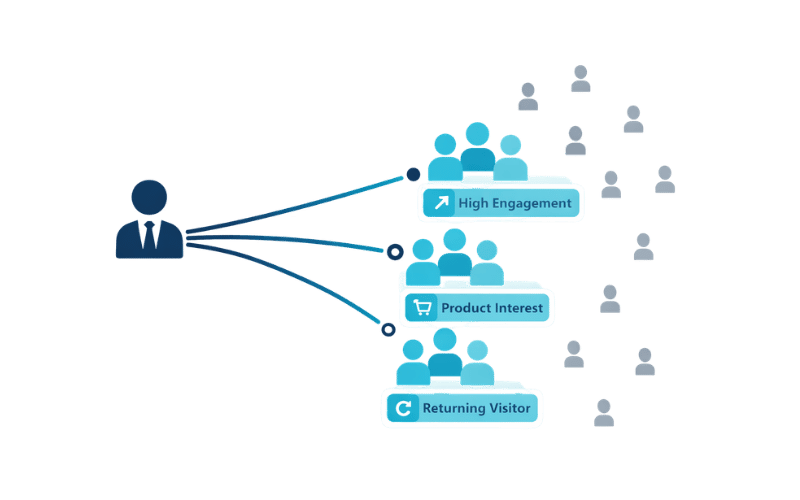
Buying intent is not a single signal. It emerges from patterns across multiple interactions.
Common intent indicators include:
Without a system to connect these signals, intent remains hidden.
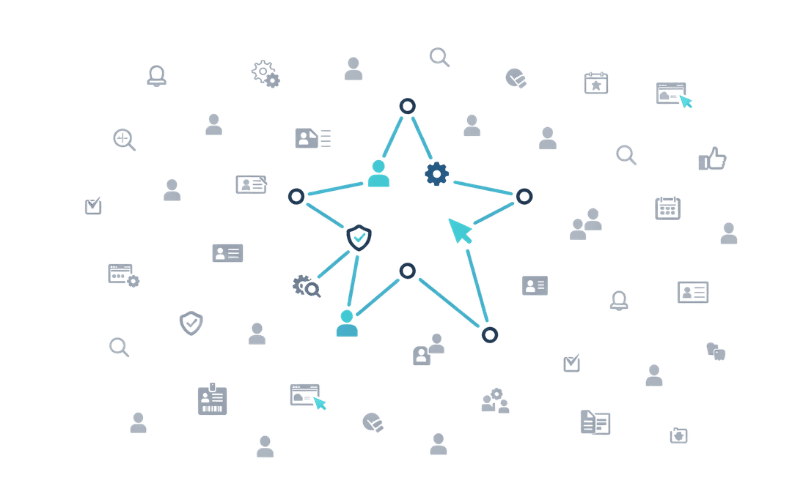
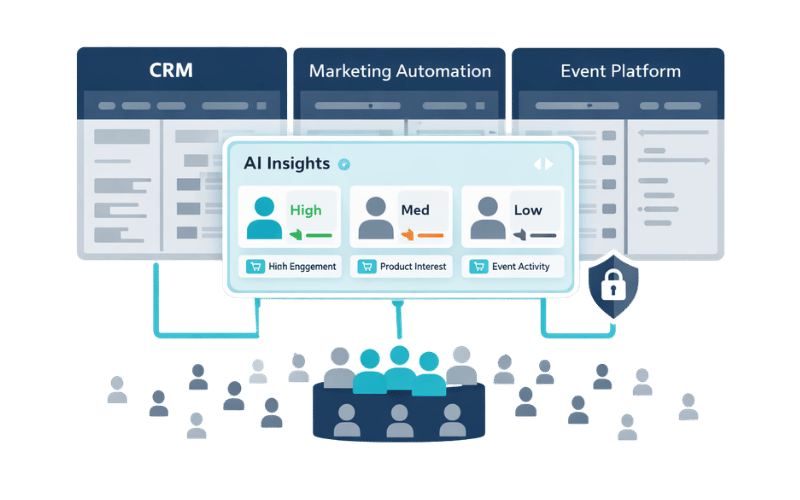
AI agents help by acting as a reasoning layer across sales, marketing, and engagement systems.
Instead of relying on static lead scores, AI agents:
This enables sales teams to focus outreach where it has the highest impact.ers.
A sales team attends a regional industry conference and collects 800 leads.
Without AI agents:
With AI agents:
Sales reps receive a prioritized list with context on why each lead matt
When AI agents support lead prioritization, sales workflows become more focused.
Teams can:
Sales effort shifts from sorting leads to having better conversations.
AI agents do not replace CRMs or marketing platforms. They work across them.
They:
This allows teams to improve prioritization without changing core systems.
AI agents deliver the most value when:
In these cases, prioritization accuracy matters more than lead volume.
AI agents use data from event platforms, CRM systems, and marketing tools. This includes session participation, booth interactions, email engagement, account attributes, and previous sales activity. The agent connects these signals to understand which leads are more likely to progress in the sales pipeline.
Traditional lead scoring assigns fixed points to predefined actions. AI agents evaluate context and patterns instead. They explain why a lead is prioritized by comparing current behavior with past successful deals, which makes prioritization more accurate and easier for sales teams to trust.
Event leads only create value when sales teams can identify buying intent quickly. AI agents help sales teams prioritize event leads by connecting engagement data, surfacing intent signals, and guiding follow‑up decisions. This turns events from lead volume generators into predictable revenue drivers.