How AI Agents Help Healthtech Teams Predict Claim Denials Early
Healthtech teams face growing pressure to reduce claim denials while managing complex payer rules, fragmented systems, and tight reimbursement timelines. Traditional denial prevention relies on retrospective analysis, manual audits, or rigid rules that surface problems too late. AI agents help healthtech teams predict claim denials early by identifying denial risk during claim creation, before submission to payers. This allows teams to correct issues proactively instead of reacting to rejected claims after revenue is delayed.
Why Claim Denials Are Hard to Predict
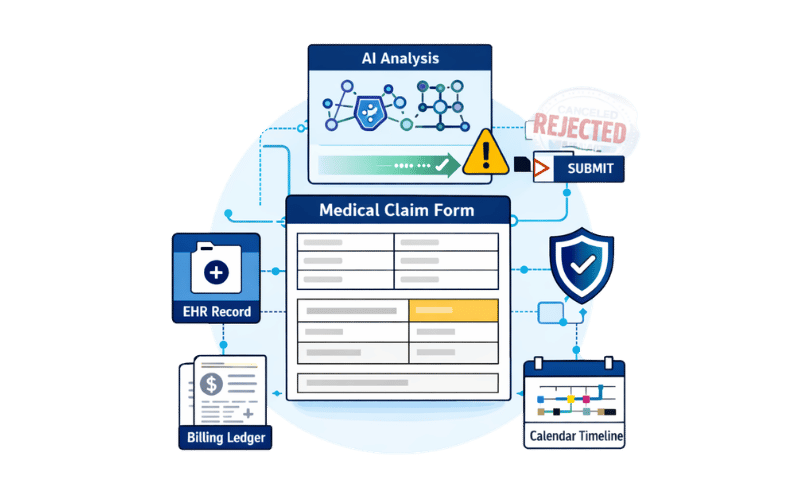
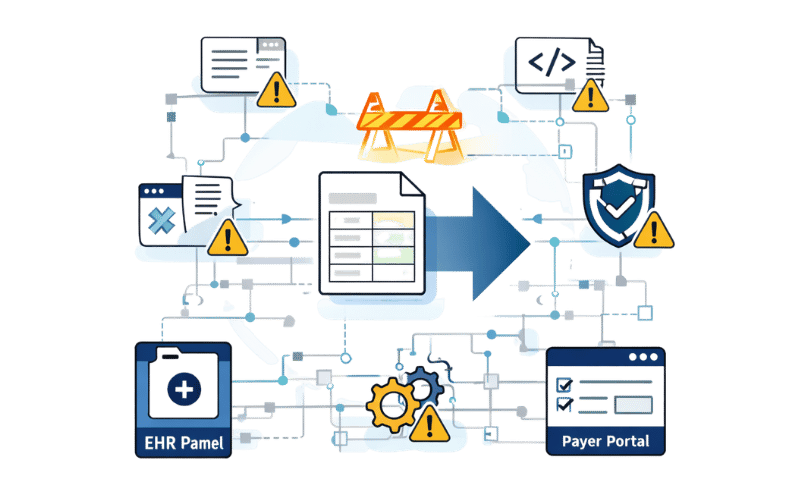
Claim denials are rarely caused by a single error. They emerge from a combination of coding issues, eligibility gaps, documentation mismatches, authorization failures, and payer‑specific rules. These signals are spread across EHRs, billing systems, clearinghouses, and payer portals, making early detection difficult.
Common Causes of Preventable Claim Denial
Healthtech teams most often see denials tied to missing documentation, incorrect coding, authorization lapses, eligibility changes, and payer‑specific policy updates. These issues typically appear across systems and teams, which delays visibility until after submission.
How AI Agents Predict Claim Denials Before Submission
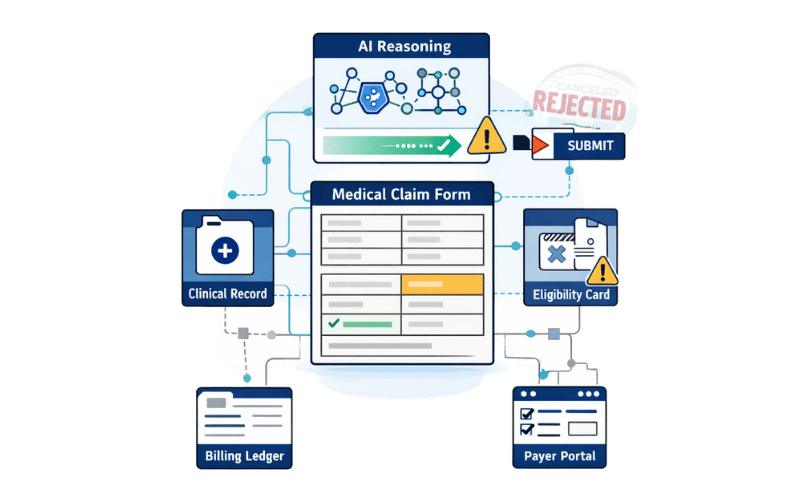
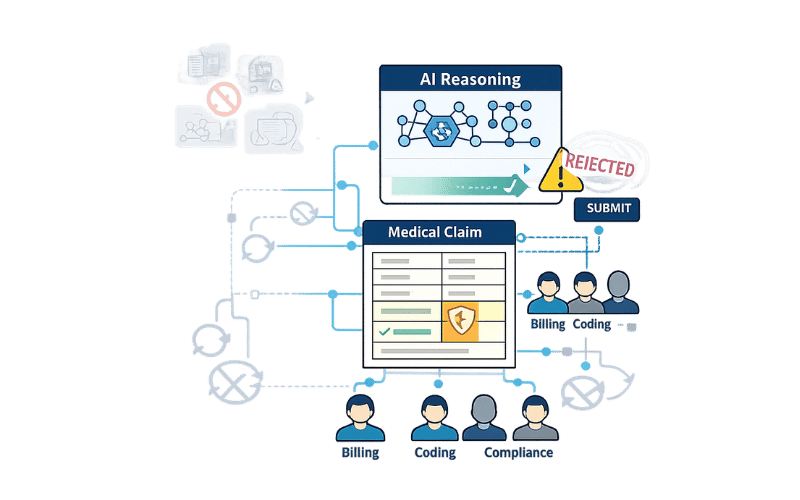
AI agents continuously monitor clinical, billing, and eligibility data as claims are prepared. They correlate documentation, coding, and payer rules in real time to flag claims with a high likelihood of denial. This allows teams to intervene before submission instead of reacting after rejection.
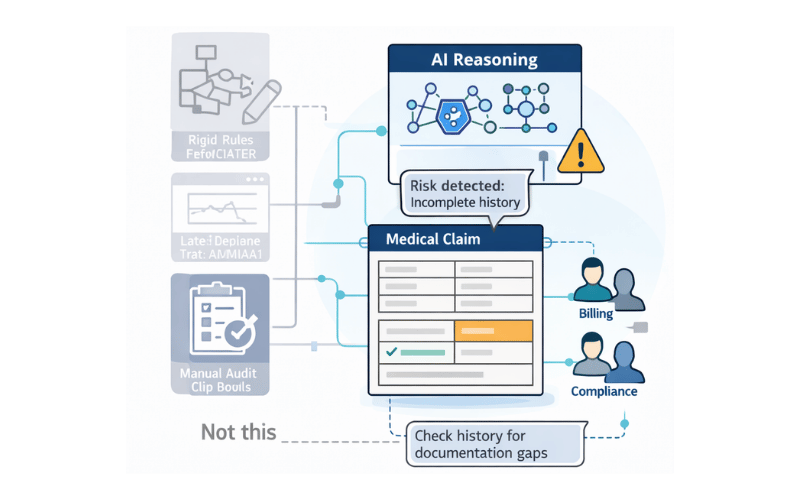
What This Is Not
This is not rules‑based claim scrubbing or retrospective denial reporting. It does not rely on static payer rules, after‑the‑fact dashboards, or manual audits. AI agents do not replace billing or compliance teams, and they do not automatically submit or block claims. Instead, they surface early risk signals and explain why a claim may be denied so teams can take corrective action.
How AI Agents Reduce Manual Rework Across Revenue Cycle Teams
When denial risk is identified early, billing, coding, and compliance teams avoid reprocessing rejected claims. AI agents provide shared context across teams, reducing back‑and‑forth, duplicate reviews, and manual follow‑ups that slow reimbursement cycles.
For example, when a claim is being prepared, an AI agent can detect that a required authorization code is missing for a specific payer, flag that similar claims were recently denied, and alert the billing team before submission. This prevents a predictable denial without manual cross‑checking.
Business Impact for Healthtech Finance and Operations Teams
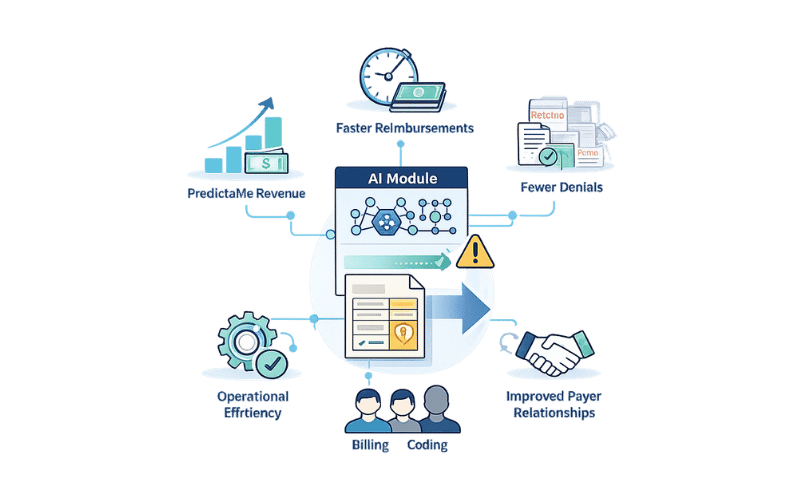
Early denial prediction leads to fewer rejected claims, faster reimbursements, and more predictable cash flow. Teams spend less time fixing preventable errors and more time improving throughput, payer relationships, and operational efficiency.
How AI Agents Improve Audit Readiness and Compliance Confidence
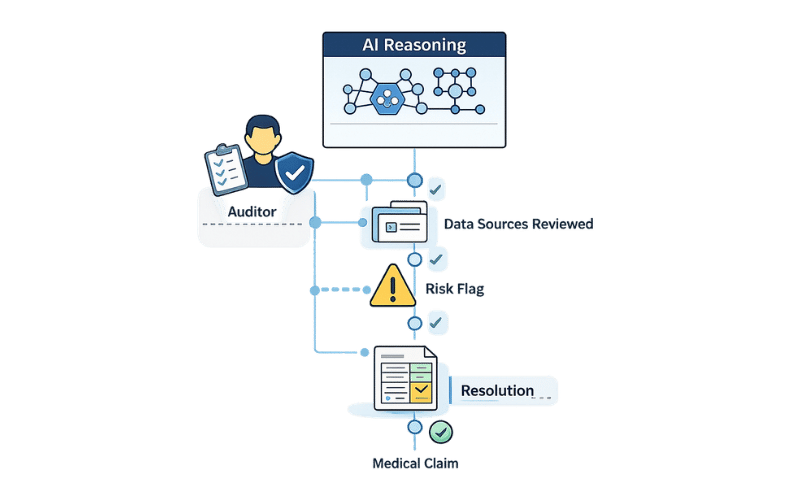
AI agents automatically document why claims were flagged, what data was reviewed, and how risks were resolved. This creates a defensible audit trail without adding reporting overhead, making compliance reviews faster and less disruptive.
FAQs
Can AI agents replace traditional claim scrubbers?
No. AI agents complement existing tools by predicting denial risk earlier and explaining why issues may occur across systems.
How early can denial risk be detected?
Risk can be identified during claim creation, before submission to clearinghouses or payers.
Do AI agents work across different EHR and billing systems?
Yes. AI agents operate across systems by analyzing data context rather than relying on a single platform.
Are AI agents making submission decisions automatically?
No. They provide risk insights and explanations so teams remain in control.
Do AI agents help with payer‑specific rules?
Yes. They adapt to payer behavior patterns and policy changes over time.
Final takeaway
Predicting claim denials early is essential for reducing revenue leakage and operational strain in healthtech. AI agents give teams proactive visibility into denial risk before claims are submitted, enabling faster corrections, fewer rejections, and more reliable reimbursement outcomes without increasing manual workload.