Healthtech organizations depend on accurate internal knowledge to support operations, compliance, and patient‑adjacent workflows. However, this knowledge is often distributed across policies, SOPs, internal tools, and documentation systems. When teams cannot retrieve the right information quickly, delays and errors increase.
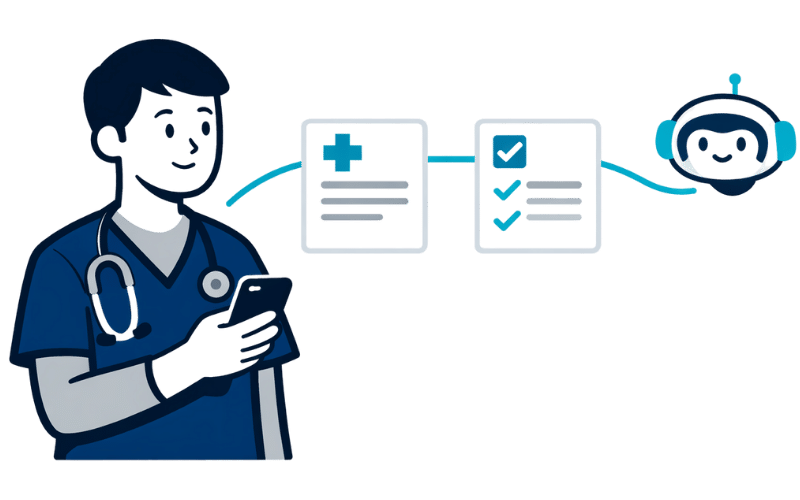
AI agents help healthtech organizations retrieve internal knowledge safely by connecting approved systems, understanding user intent, and returning relevant information based on access controls. This allows teams to find answers efficiently without exposing sensitive data or changing existing workflows.
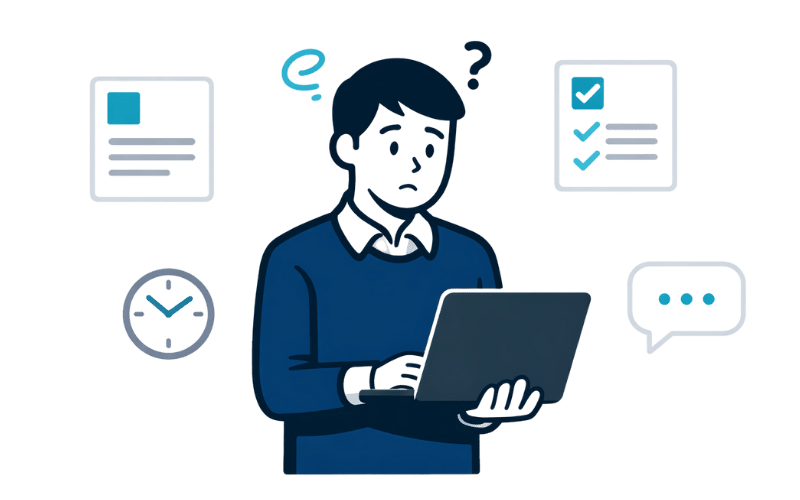
Healthtech organizations do not struggle because they lack documentation or internal knowledge. They struggle because information is fragmented across systems and access must be carefully controlled.
Operational teams often rely on a mix of internal wikis, policy documents, ticketing systems, compliance repositories, and shared drives. Even when information exists, finding the correct and current answer at the moment it is needed can be difficult.
For example, a revenue operations or compliance team member may need to confirm whether a specific billing workflow or escalation process has been updated. The information might exist in a policy document, a past internal memo, or a support ticket thread, but locating the most recent approved guidance takes time and introduces risk if outdated instructions are followed.
Common challenges include:
As a result, teams either delay action or rely on partial information, which creates operational inefficiencies and compliance exposure.
Healthtech knowledge retrieval differs from other industries because access must be controlled and auditable. Not every employee can see the same information, and incorrect answers can have compliance or patient safety implications.
Complexity increases due to:
Traditional keyword search struggles in this environment because it cannot evaluate context, intent, or permissions together.
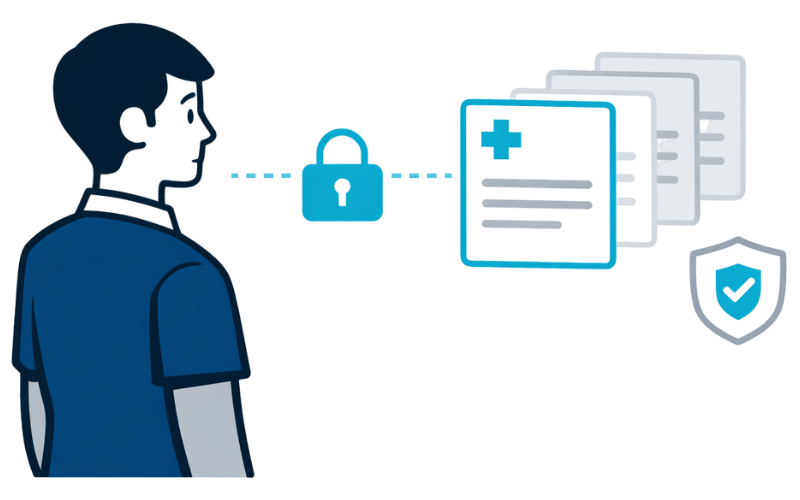
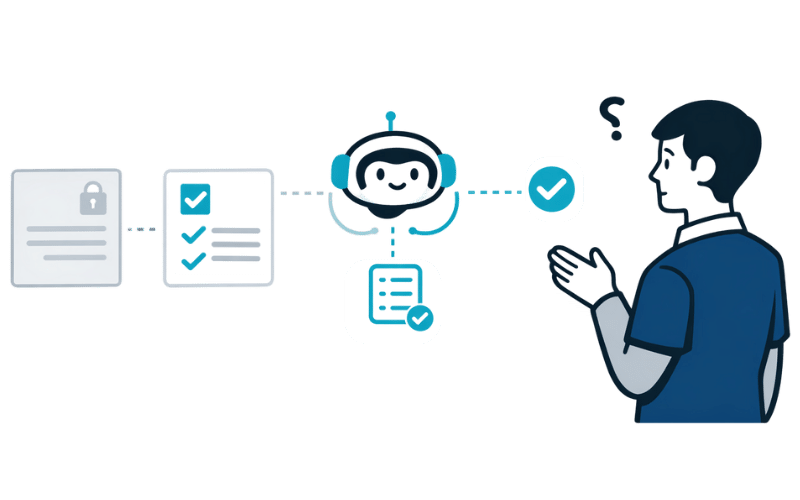
AI agents retrieve internal knowledge by understanding what a user is asking, checking what information they are permitted to access, and pulling answers from approved sources only.
In practice, AI agents can:
This ensures information is accessible without compromising governance.
Instead of searching across multiple tools, teams receive consistent answers aligned with their role and task.
For example:
Knowledge retrieval becomes reliable, traceable, and repeatable.
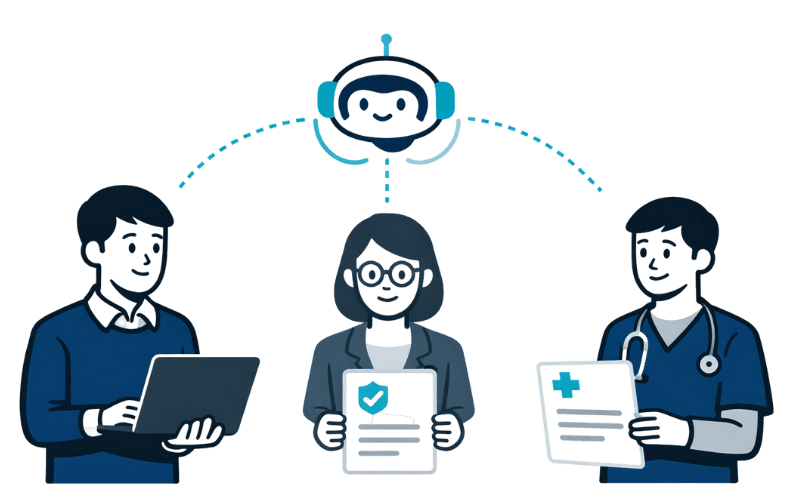
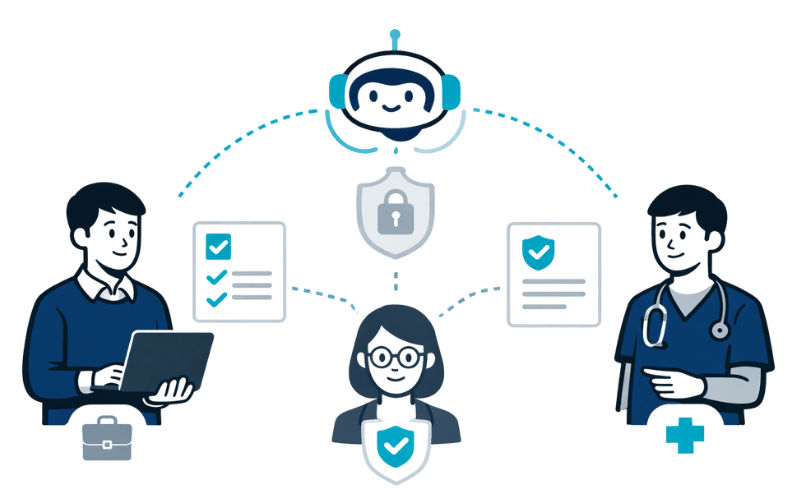
AI agents support internal knowledge retrieval by delivering answers based on role, permission, and data sensitivity. Rather than exposing full documents or unrestricted search results, agents retrieve and synthesize information users are authorized to access.
In practice, AI agents can:
This approach allows healthtech teams to access accurate internal knowledge quickly while maintaining governance, security, and compliance requirements.
Teams typically explore AI agents when internal knowledge becomes difficult to manage at scale.
Common signals include:
AI agents provide structure when manual retrieval no longer scales.
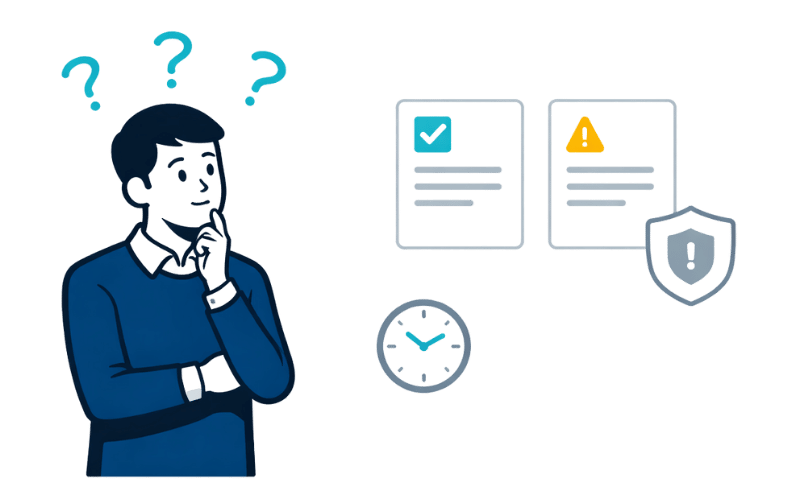
AI agents can be introduced without disrupting existing systems. They support staff by making approved knowledge easier to access while preserving control.
Logicon designs and implements AI agents that retrieve internal knowledge across healthtech systems with a focus on safety, accuracy, and compliance alignment. The emphasis is on operational fit rather than automation for its own sake.
They analyze user intent, search approved systems, apply access rules, and return relevant information from authorized sources.
Internal knowledge retrieval in healthtech organizations breaks down when information is scattered, access is unclear, and systems cannot interpret intent. AI agents help teams retrieve approved knowledge safely by connecting internal systems, enforcing permissions, and delivering accurate answers when they are needed. This improves operational efficiency while maintaining compliance and governance standards across the organization.