
Transaction reconciliation is a core operational function for fintech companies, but it becomes increasingly complex as transaction volume grows and systems multiply. Payments, settlements, refunds, and fees often move through multiple platforms that do not update simultaneously or speak the same data language. AI agents help fintech operations teams reconcile transactions across systems by connecting data sources, identifying mismatches, and surfacing actionable insights without replacing existing financial infrastructure.
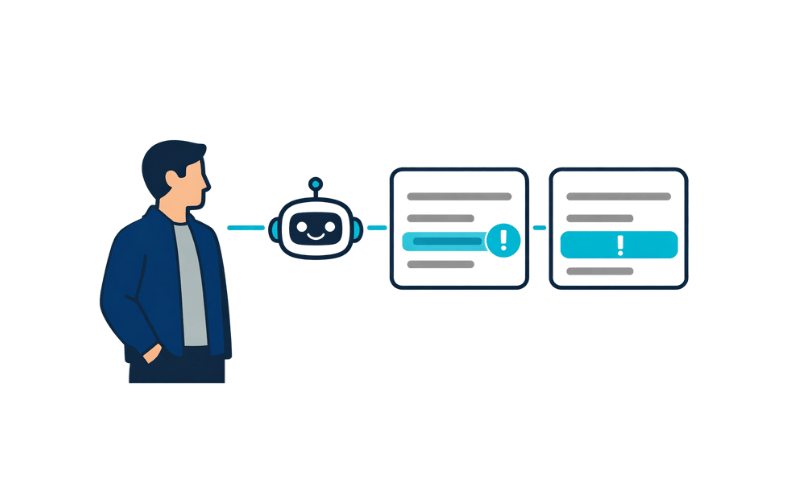

Fintech organizations rely on multiple systems to process and record transactions. Payment gateways, banking partners, internal ledgers, accounting tools, and customer support platforms often hold overlapping but inconsistent records.
Operations teams commonly face:
As transaction volume increases, manual reconciliation becomes slower, more error‑prone, and harder to audit.
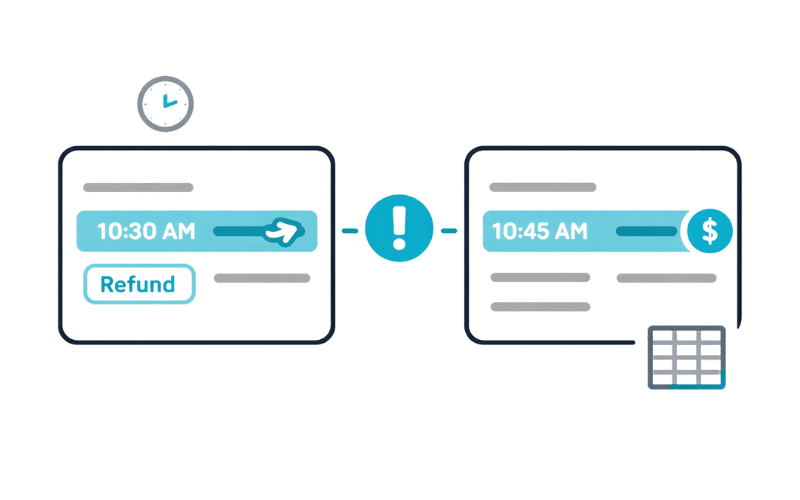
Reconciliation issues rarely stem from missing data. They occur when systems record the same transaction differently or at different points in time.
Common causes include:
When discrepancies are discovered late, resolution requires time‑consuming investigation and cross‑team coordination.
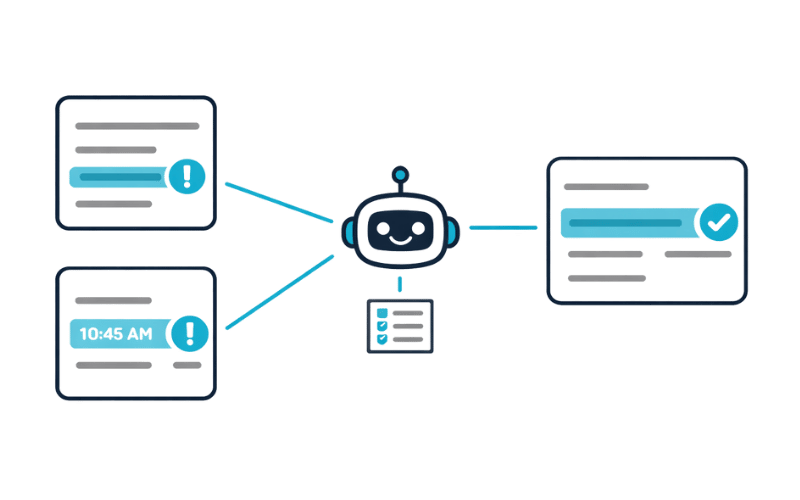
AI agents help fintech ops teams reconcile transactions by continuously monitoring data across connected systems and applying reconciliation logic automatically.
In practice, AI agents can:
This allows reconciliation to happen continuously rather than as a periodic cleanup task.
With AI agents supporting reconciliation, ops teams no longer start with a backlog of unresolved transactions. Instead, discrepancies are identified and contextualized as data flows in.
For example, an operations analyst reviewing daily settlements may see that a card payment has been confirmed by a payment processor but has not yet appeared in the internal ledger due to a delayed posting. The AI agent flags the mismatch, links the related transaction records, and notes that similar delays have resolved automatically in prior cases.
In practice:
Teams focus on resolving true exceptions rather than reconciling every transaction manually.
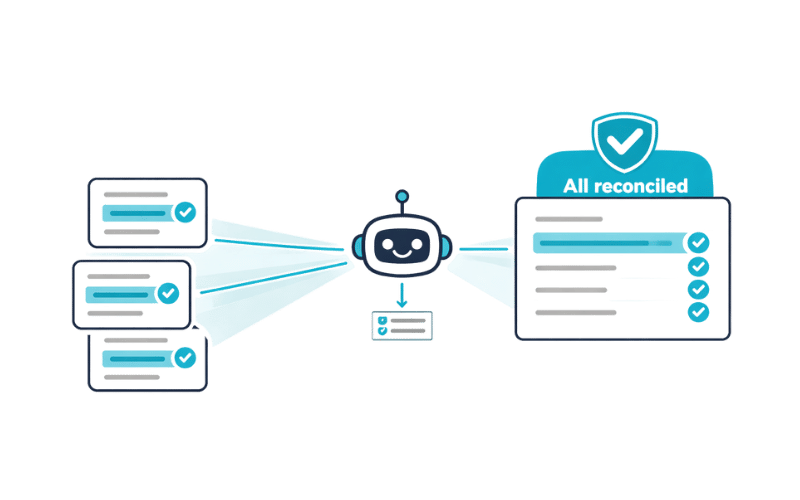
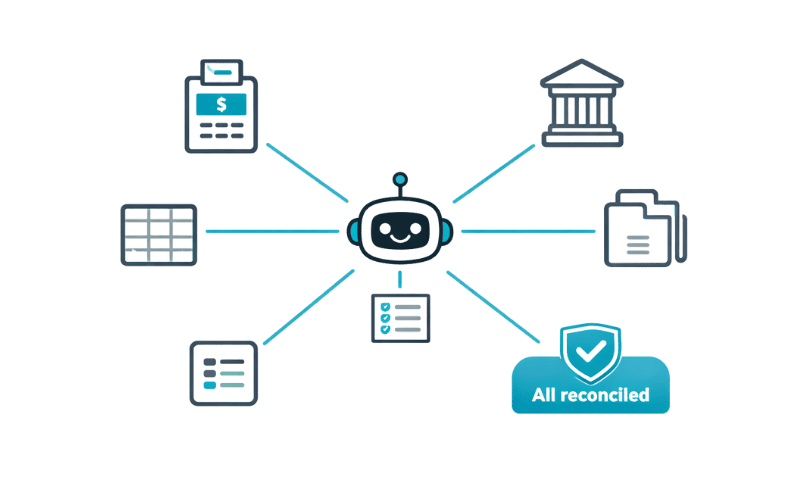
AI agents are designed to work with existing fintech infrastructure rather than replace it. They sit between systems and coordinate data flow, validation, and traceability.
Typical integrations include:
Each reconciliation action is logged, traceable, and reviewable, ensuring that ops teams maintain visibility and control over how discrepancies are identified and resolved.
Fintech teams usually explore AI agents when reconciliation effort begins to scale faster than transaction volume.
Common signals include:
AI agents provide value when accuracy, speed, and auditability become critical.
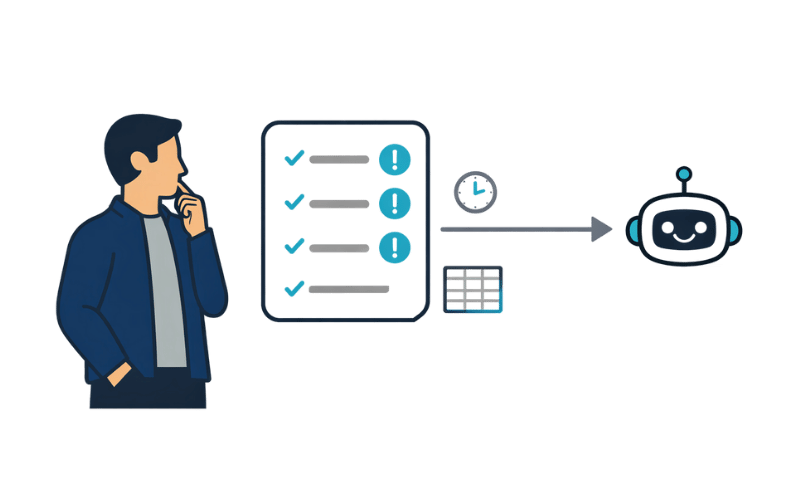
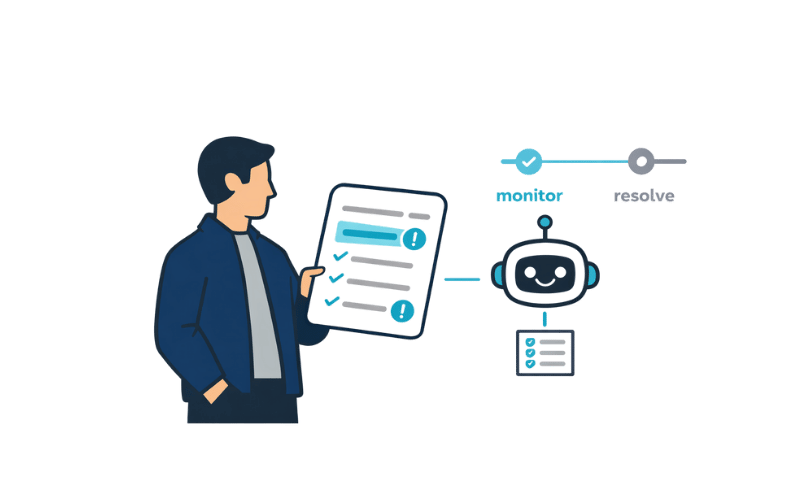
AI agents can be introduced incrementally, starting with monitoring and exception detection before expanding into automated resolution where appropriate.
Logicon designs and implements AI agents that align with fintech reconciliation requirements by defining reconciliation logic, integrating systems, and ensuring transparency at every step. The focus is on operational reliability and governance, not black‑box automation.
Transaction reconciliation becomes challenging in fintech environments because data flows across many systems that update at different times. Manual reconciliation struggles to keep pace as volume and complexity grow. AI agents help fintech ops teams reconcile transactions across systems by continuously matching data, identifying discrepancies early, and supporting transparent, auditable workflows. This enables faster resolution, improved accuracy, and scalable operations without disrupting existing financial systems.