
Retail customer support teams handle a high volume of order‑related questions every day. These include missing items, delayed shipments, returns, refunds, and order status discrepancies. While most retailers have the necessary systems in place, support resolution often slows down because information is fragmented across order management, logistics, payment, and CRM platforms. AI agents help customer support teams resolve order issues faster by retrieving accurate information across systems and presenting it in a single, actionable view during live support interactions.
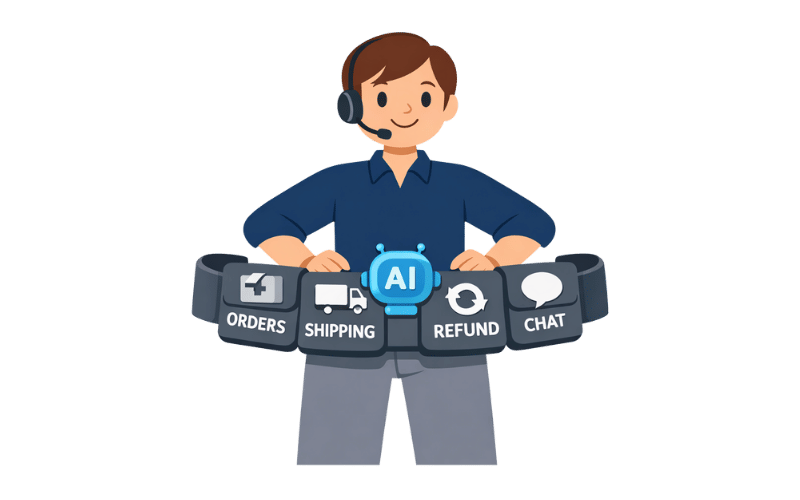

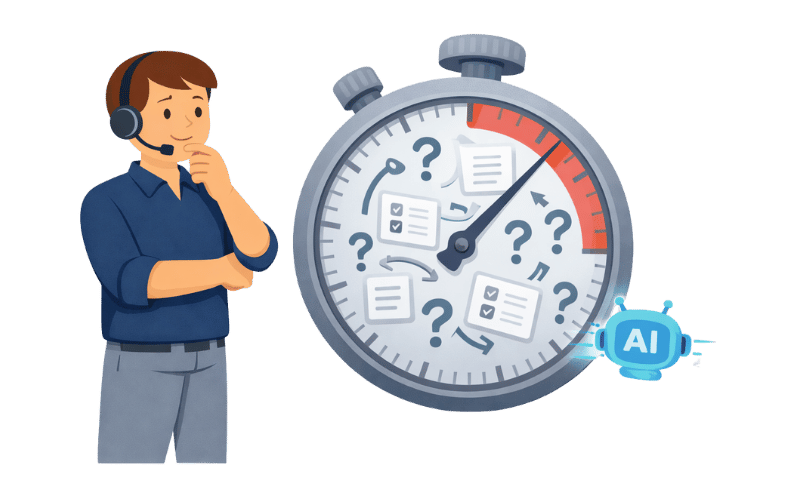
Order issues are rarely caused by a lack of data. They take time because support agents must search across multiple tools to piece together what happened. A single customer inquiry may require checking the order management system, shipping provider updates, warehouse status, payment records, and prior support tickets.
For example, when a customer reports a missing item, the agent may need to confirm whether the item was packed, shipped separately, refunded, or back‑ordered. Each step often lives in a different system, leading to longer handle times and inconsistent answers.
Retail customer support teams commonly encounter:
These challenges increase resolution time and reduce customer trust.

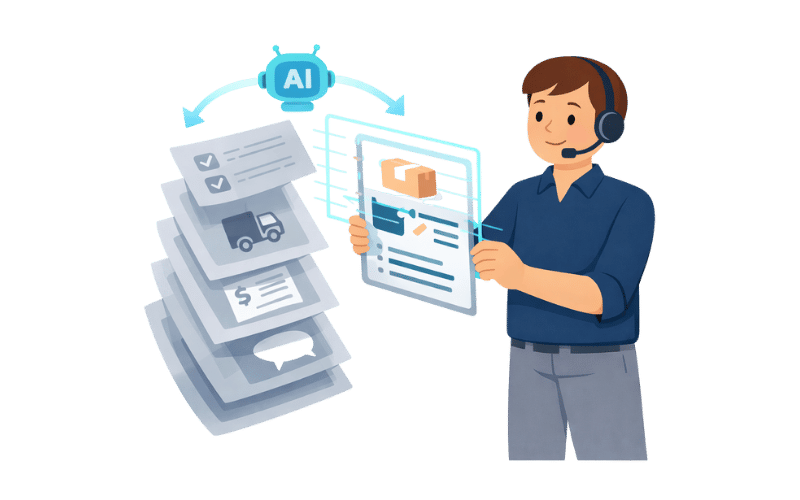
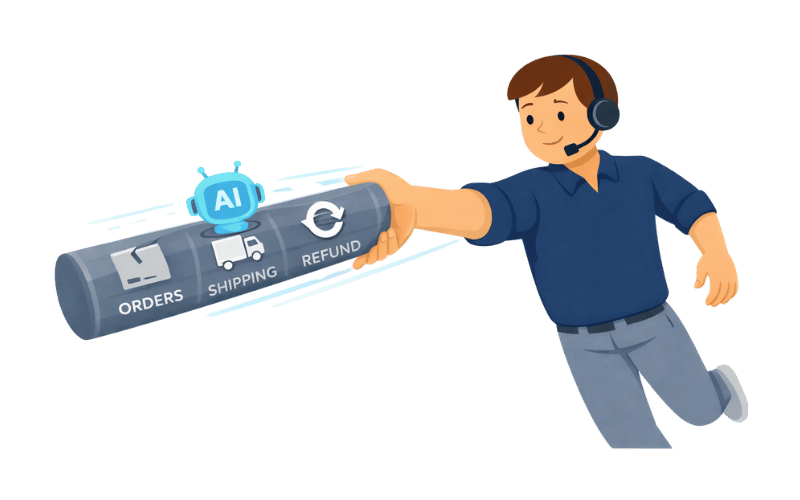
AI agents act as an orchestration layer between customer support tools and backend retail systems. They retrieve relevant order data in real time and surface it to support agents in a clear, structured format.
In practice, AI agents can:
This reduces the need for manual system switching and speeds up resolution.
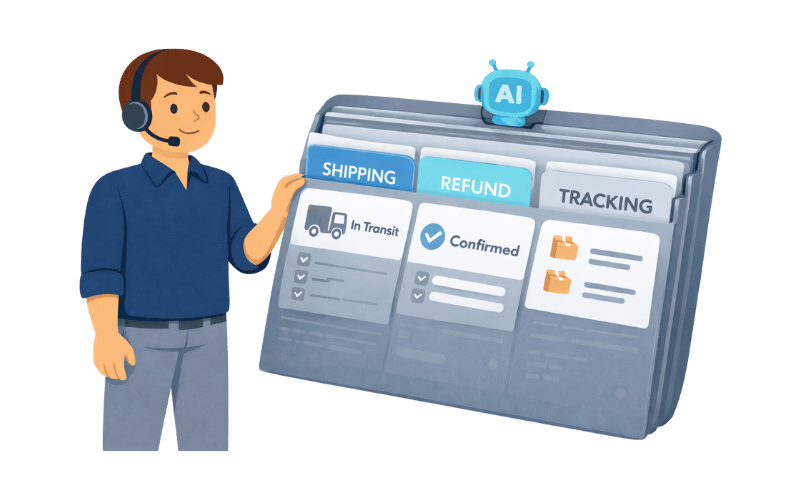
With AI agents supporting order resolution, agents no longer start each interaction from scratch. When a customer contacts support, the agent sees a consolidated view of the order, including current status, exceptions, and relevant history.
For example:
This allows agents to resolve issues in fewer steps and with greater confidence.
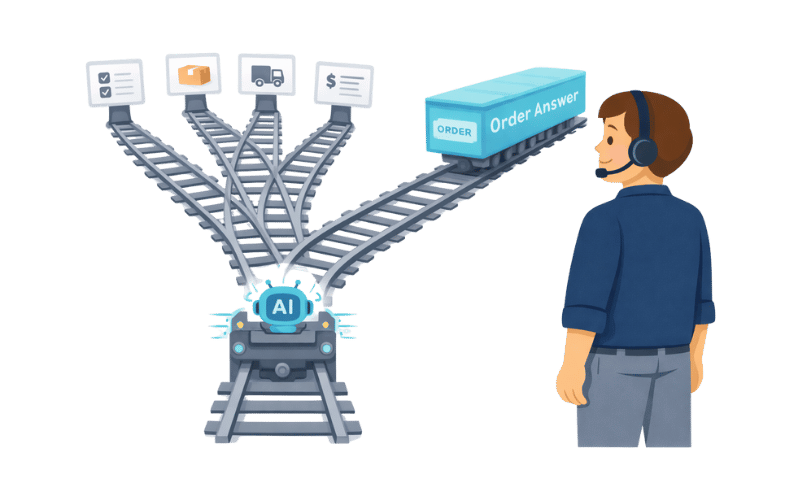
AI agents integrate with existing retail and support infrastructure rather than replacing it. Typical integrations include:
All data access follows defined permissions and is logged for visibility and compliance.
Retail teams usually explore AI agents when order‑related inquiries begin to overwhelm support capacity. Common signals include:
When resolution speed depends on manual lookup and internal follow‑ups, AI agents provide a more reliable approach.
AI agents can be introduced without disrupting existing support processes. They support agents by ensuring the right information is available at the right moment during customer interactions.
Logicon designs and implements AI agents that connect retail systems, retrieve order context safely, and align with existing support workflows. The focus is on accuracy, transparency, and faster resolution rather than automation alone.
Retail customer support slows down when order information is fragmented and difficult to access during live interactions. Even simple issues take longer when agents must search across multiple systems to understand what happened. AI agents help resolve order issues faster by consolidating order, shipment, and payment context into a single, reliable view that support teams can act on immediately. This improves resolution speed, consistency, and customer experience without changing the systems retailers already rely on.