
Financial reporting often relies on spreadsheets to bridge gaps between accounting systems, billing tools, and operational data sources. These workarounds introduce manual effort, version control issues, and reporting delays. AI agents support financial reporting by connecting systems directly, preserving context, and producing consistent reports without relying on spreadsheet cleanup or manual reconciliation.
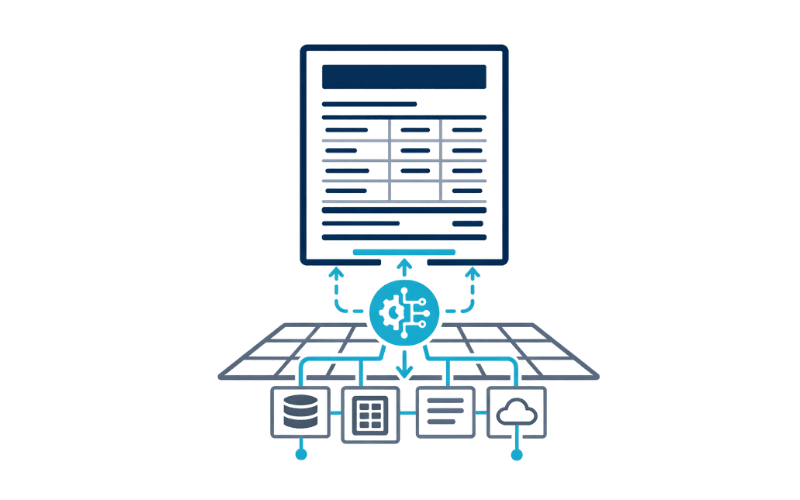

Spreadsheets are commonly used because core financial systems rarely align perfectly. When data is fragmented, teams fall back on manual exports and adjustments.
Common problems include:
As reporting complexity increases, spreadsheet reliance becomes a bottleneck.
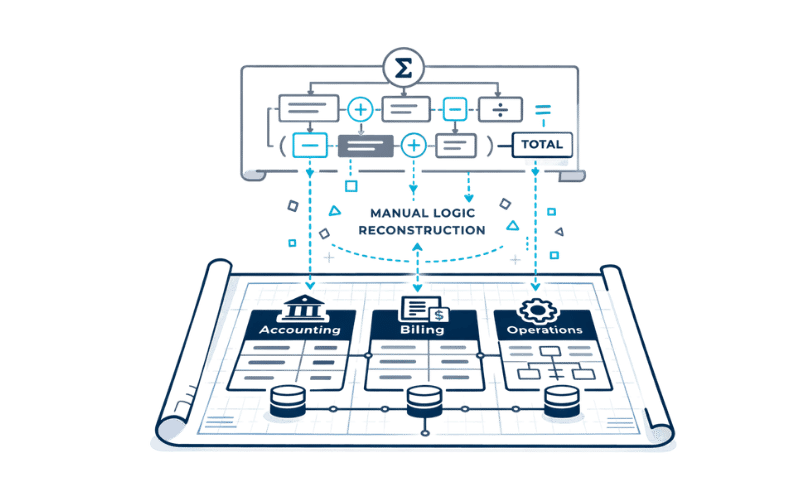
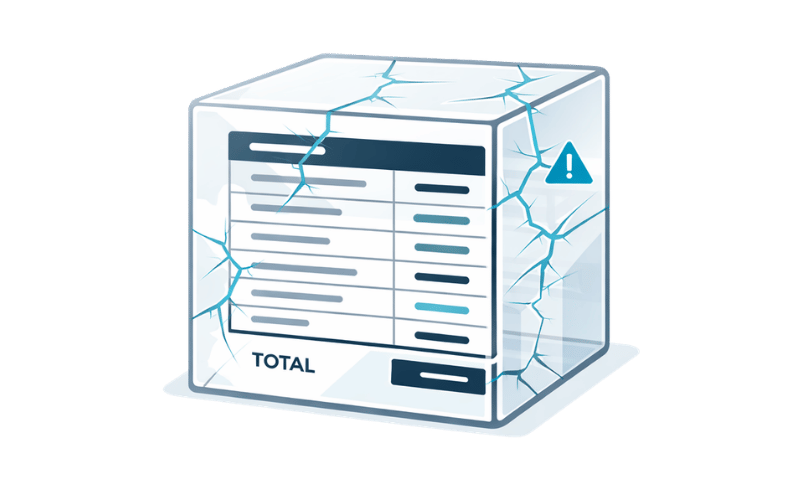
Spreadsheet workarounds appear when systems move data but do not share reporting logic.
Typical causes include:
These gaps force finance teams to recreate logic manually instead of relying on system outputs.
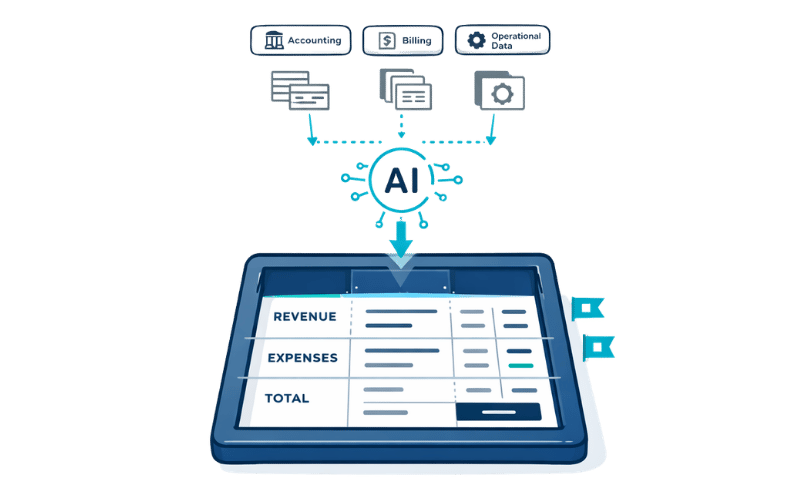
AI agents support financial reporting by acting as an intelligence layer across financial systems. They apply reporting logic consistently without manual intervention.
AI agents do this by:
This removes the need for spreadsheet‑based transformations.
With AI agents, reporting workflows move from manual assembly to automated consistency.
For example:
Finance teams review results instead of rebuilding them.
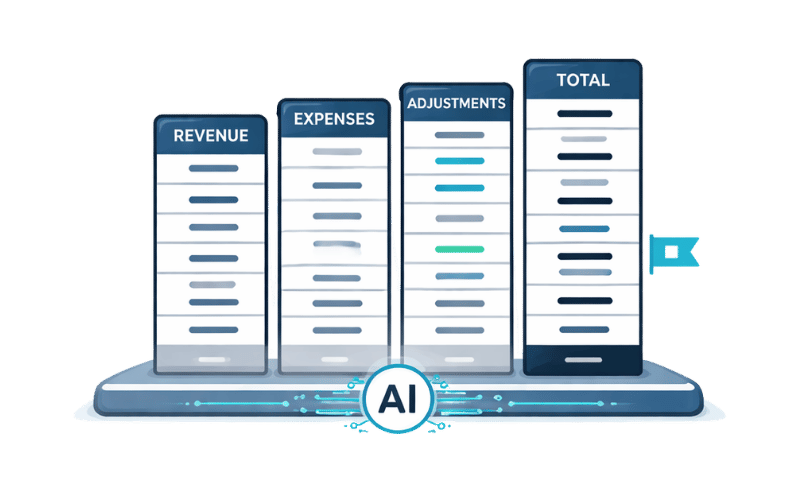
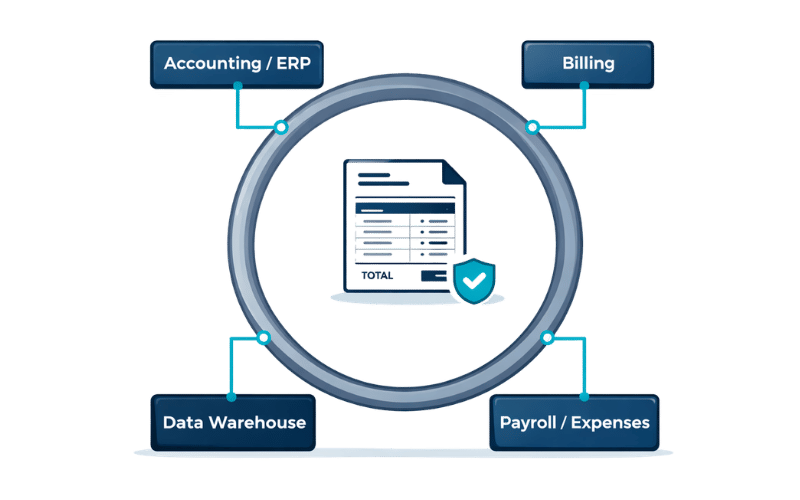
AI agents integrate with existing financial tools rather than replacing them. They ensure reporting logic is applied consistently across systems.
Typical connections include:
All access is permission‑based and auditable.
Teams usually explore AI agents when spreadsheet use becomes operational risk.
Common signals include:
These indicate that reporting logic belongs in systems, not spreadsheets.
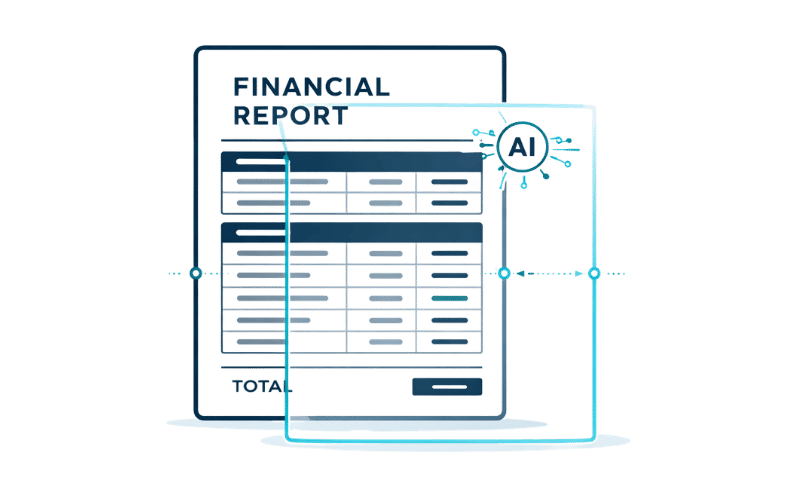
AI agents are introduced gradually and do not replace existing reporting tools.
Teams typically start by:
This allows teams to transition without breaking reporting cycles.
Spreadsheet workarounds persist when financial systems lack shared reporting logic. AI agents support financial reporting by connecting systems, applying consistent rules, and preserving auditability without manual effort. This enables finance teams to produce accurate reports faster while relying on systems instead of spreadsheets.