
Retail teams have used automation for years to streamline tasks like order processing, inventory updates, and reporting. But as retail operations grow more complex, many teams discover that automation alone no longer solves their biggest problems.
The real question is not whether automation works.It is whether automation is enough when retail decisions require context, judgment, and coordination across systems.
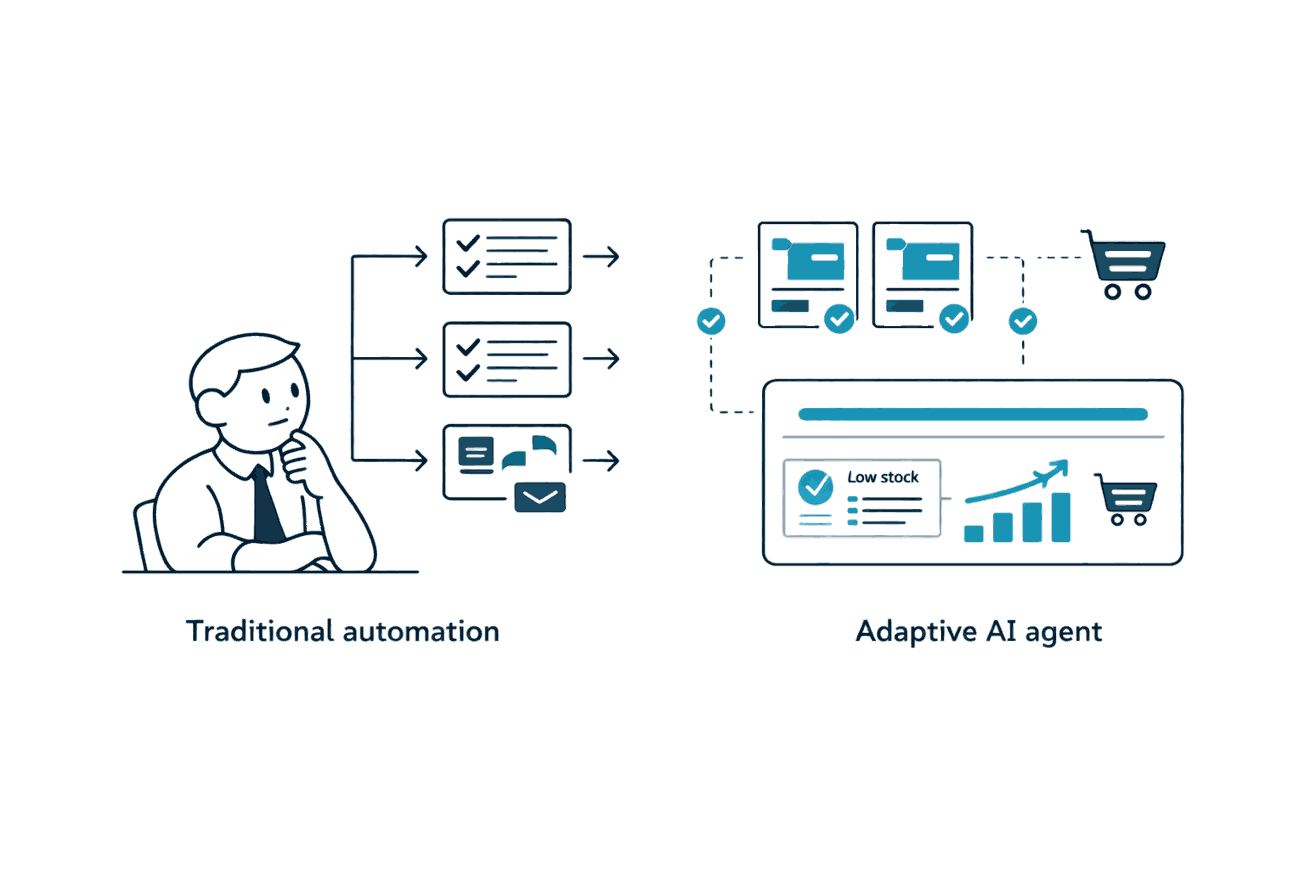
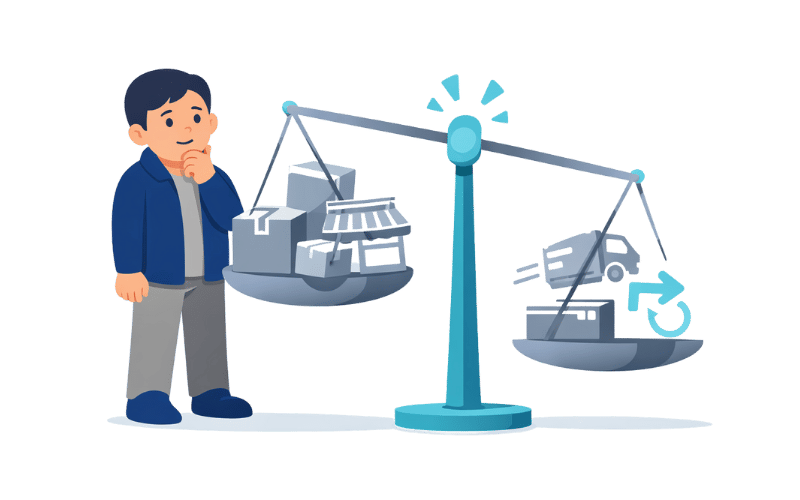
…operational questions can no longer be answered by fixed rules, static workflows, or single-system triggers.
Automation handles tasks.AI agents handle decisions and coordination.
Automation works best when processes are predictable and data is clean. Retail operations rarely stay that simple.
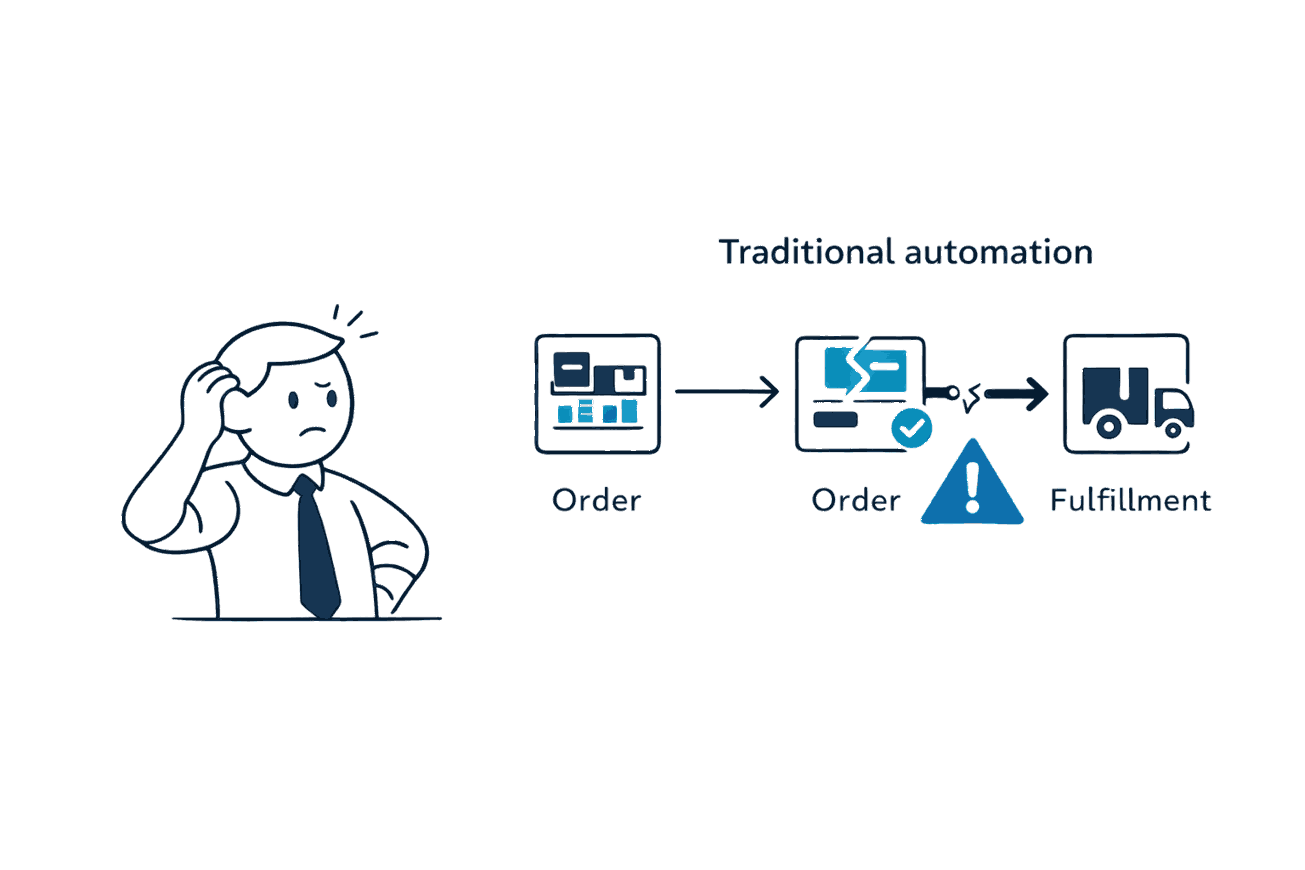
At this stage, automation creates alerts and workflows, but humans still do the work of finding answers.
The bottleneck shifts from execution to understanding.
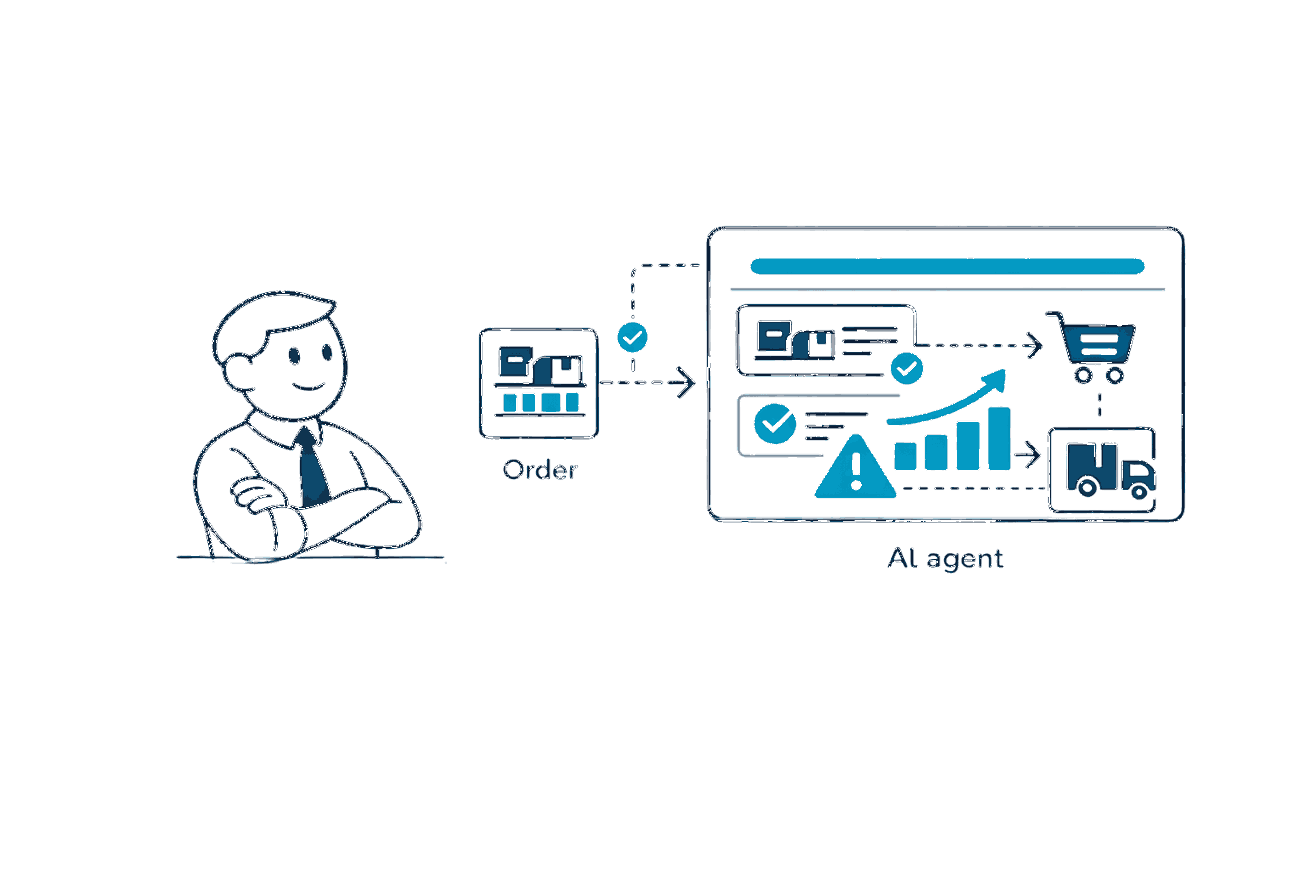
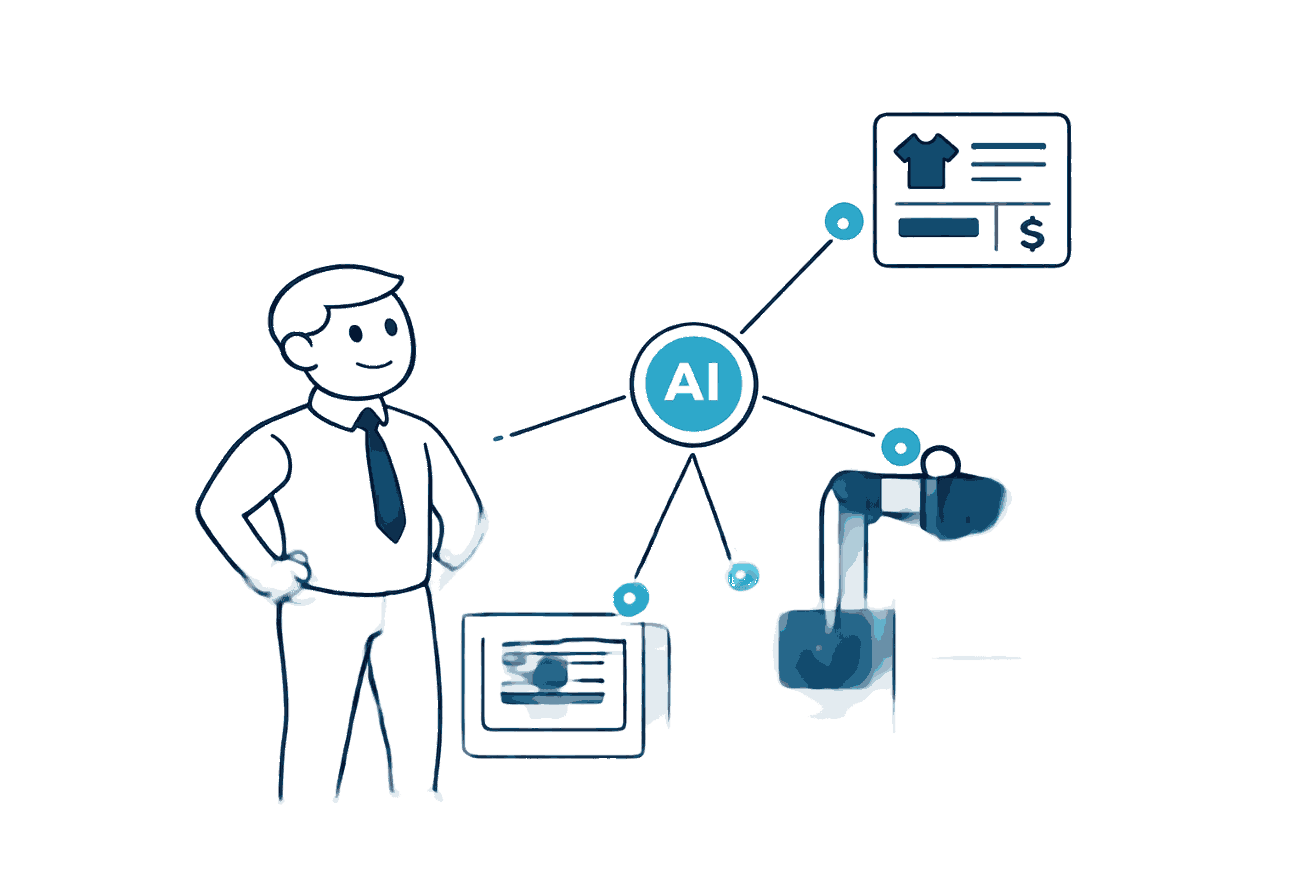
An AI agent in retail is a system that can retrieve information, understand operational context, and assist with decisions across connected retail platforms using permission-controlled data.
Retail teams interact with AI agents conversationally, asking operational questions and receiving clear, grounded answers sourced from live systems.
Retail businesses usually explore AI agents when they notice specific operational signals.
When automation creates more follow-ups than clarity, AI agents become the next step.
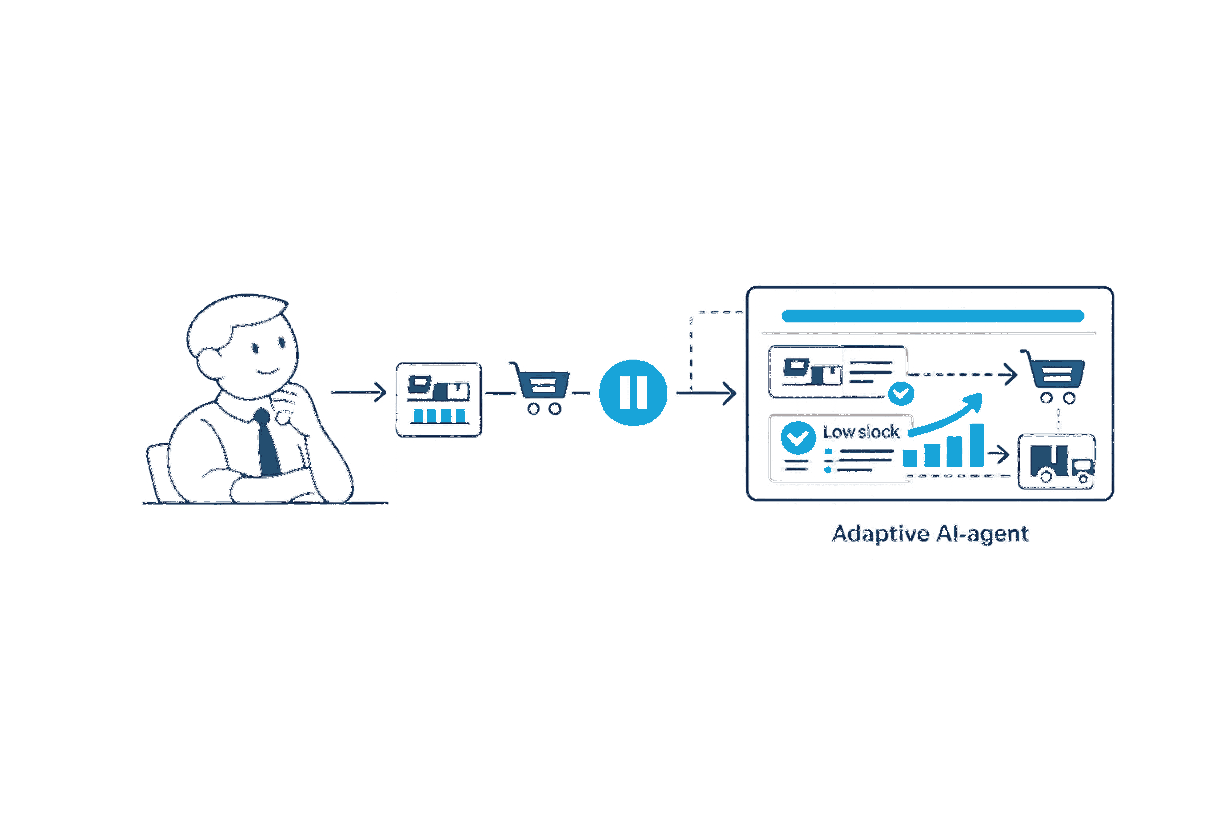
The agent retrieves data from POS, ecommerce, ERP, inventory, and support systems to deliver a single, contextual answer.
For example, a retail operations manager may ask why a customer’s order shows as shipped but has not arrived. The AI agent checks fulfillment status, carrier data, inventory availability, and support tickets before returning a single explanation
Instead of routing every exception to humans, AI agents:
This allows teams to focus on resolution, not data gathering.
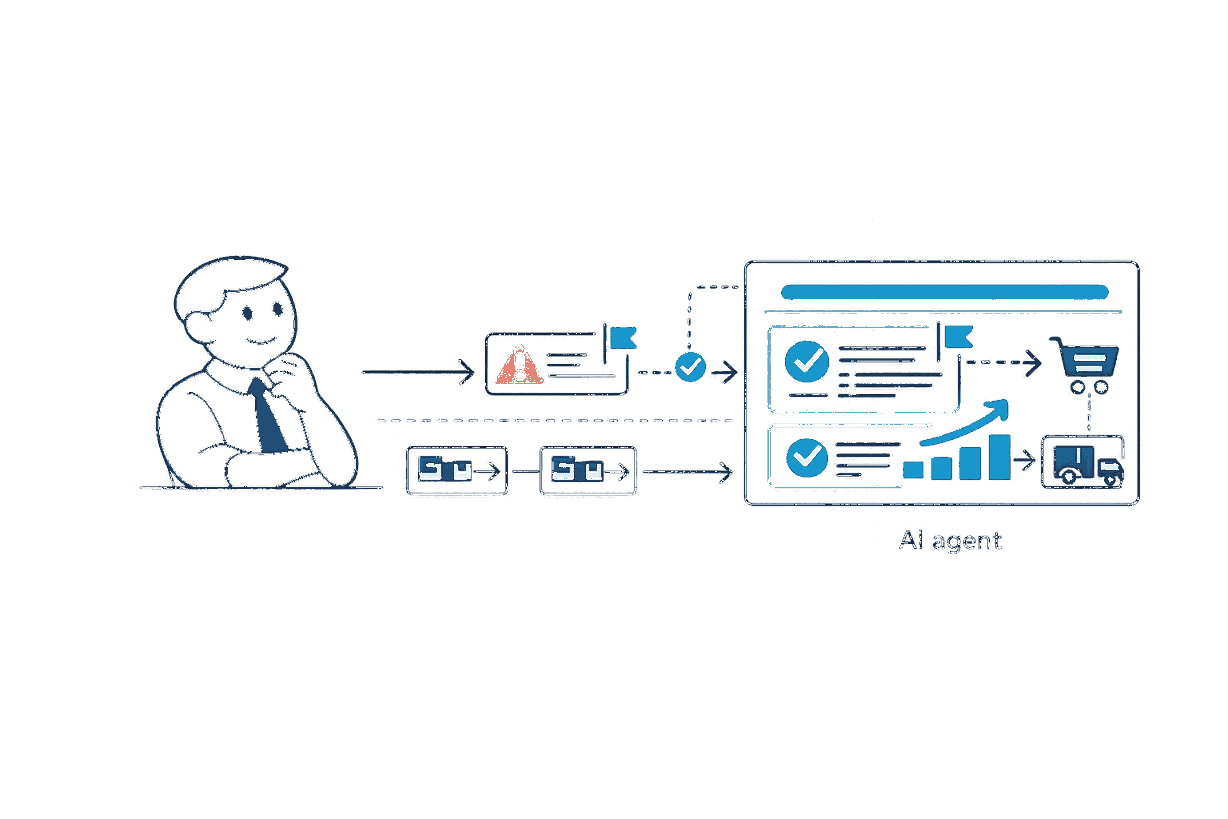
AI agents help reduce back-and-forth between:
Information becomes accessible without tool switching.
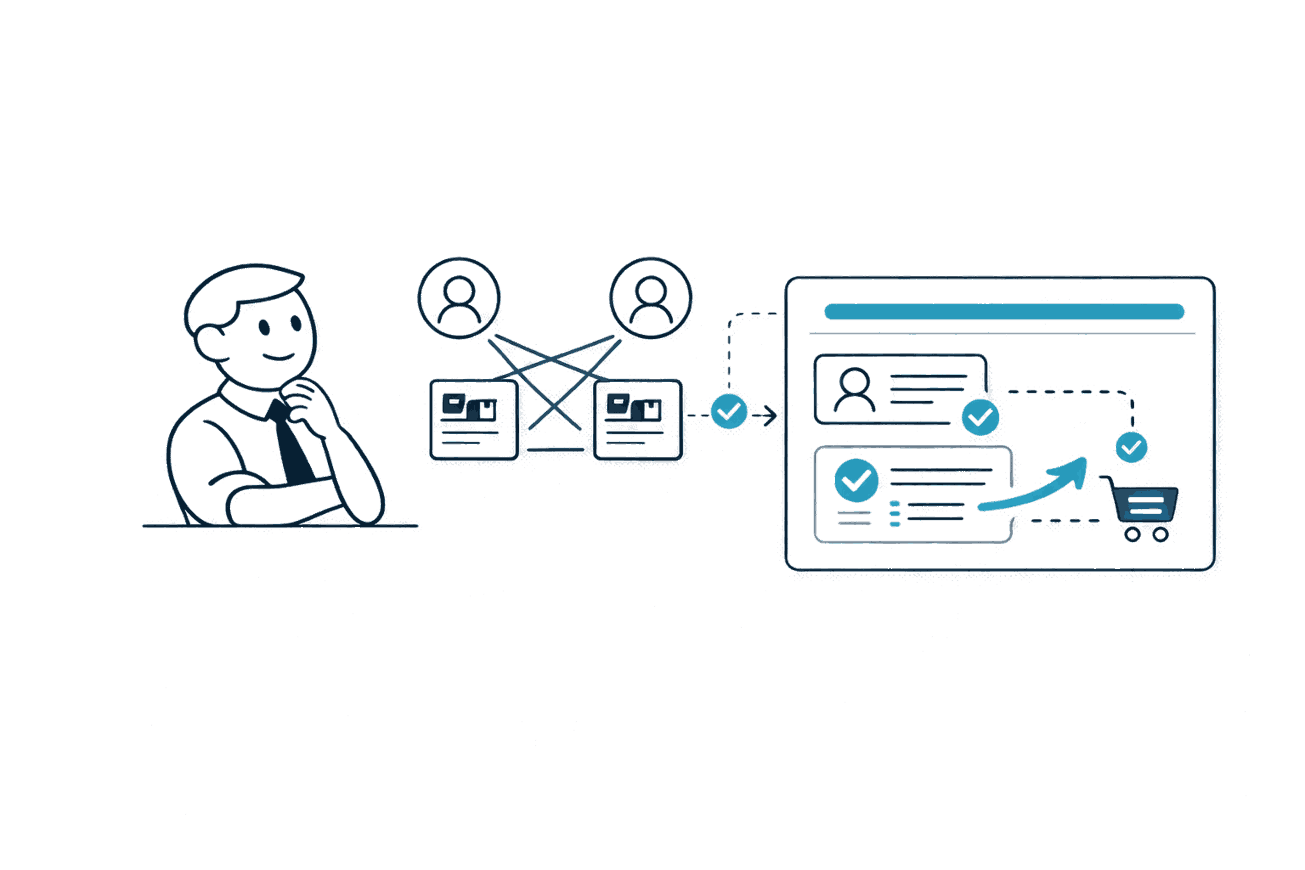
Automation and AI agents are not mutually exclusive. They serve different roles.
Most retail teams continue using automation for execution, while AI agents handle understanding and coordination.
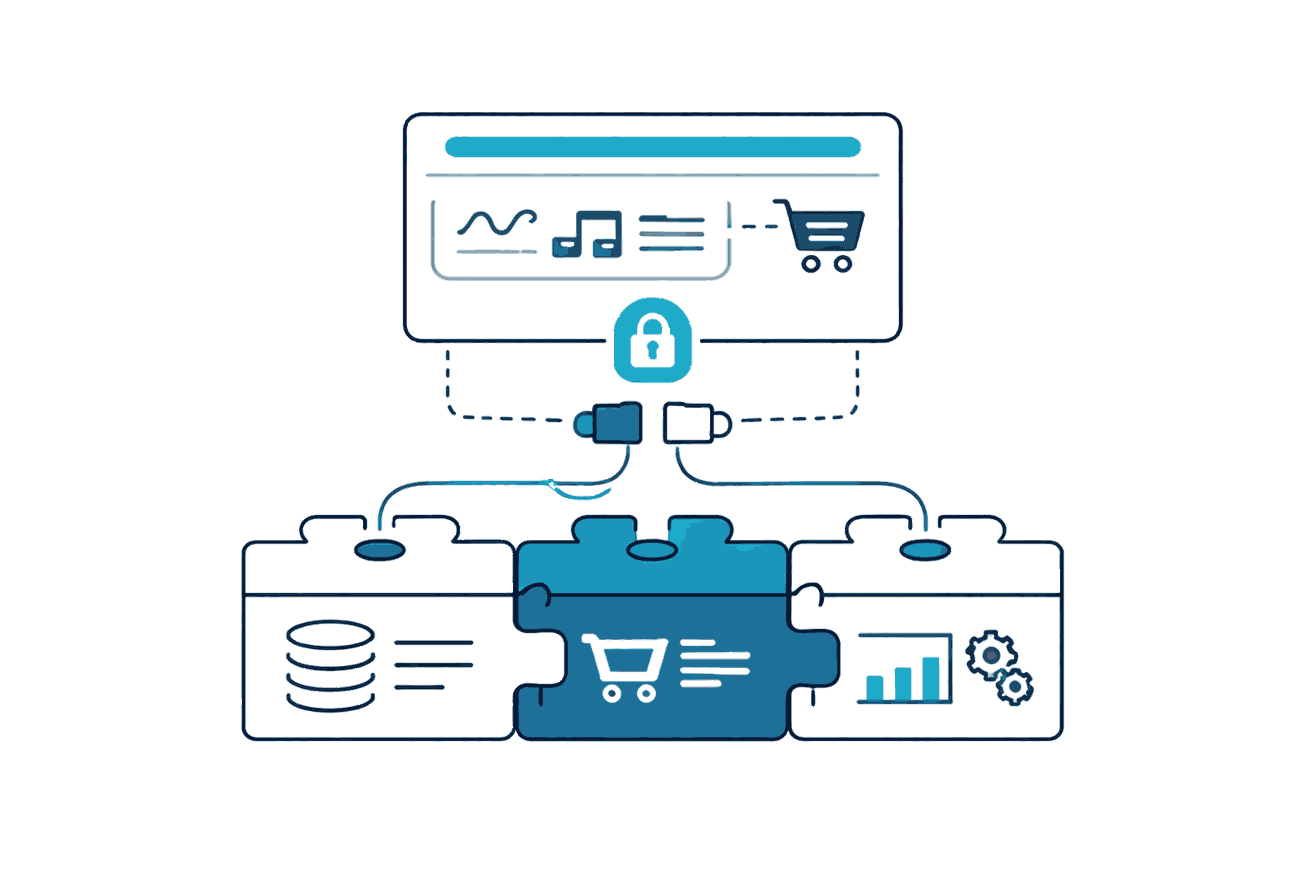
AI agents are designed to work within existing retail environments.
All access is permission-based, logged, and auditable. AI agents do not bypass controls or replace systems of record.
Retail businesses do not adopt AI agents to replace teams. They adopt them to reduce friction between systems, decisions, and people.
AI agents become a shared operational layer across retail teams.
Automation helps retail teams move faster inside individual systems. AI agents help teams understand what is happening across systems.
When retail operations depend on context, exceptions, and coordination, speed alone is no longer the advantage. Clarity is. AI agents give retail teams that clarity without replacing the systems they already rely on.