
Healthtech operations rely on automation to handle repeatable tasks, but many operational questions still require human judgment, system context, and regulatory awareness. As workflows grow more complex and exceptions increase, automation alone starts to create friction rather than efficiency. This is where healthtech teams begin evaluating AI agents, not to automate more steps, but to support decisions that depend on accurate, approved information across systems.


AI agents help healthtech teams get accurate, permission‑aware answers across multiple systems without manually searching or stitching information together. They retrieve approved data from connected platforms, apply operational context, and return clear responses that teams can act on. Unlike automation, AI agents focus on answering questions rather than executing rigid workflows.
Most operational delays in healthtech come from fragmentation rather than missing tools. Automation continues to run, but teams still need to verify, interpret, and reconcile information manually.
Common sources of friction include:
When automation requires constant human intervention, it stops scaling with the organization.

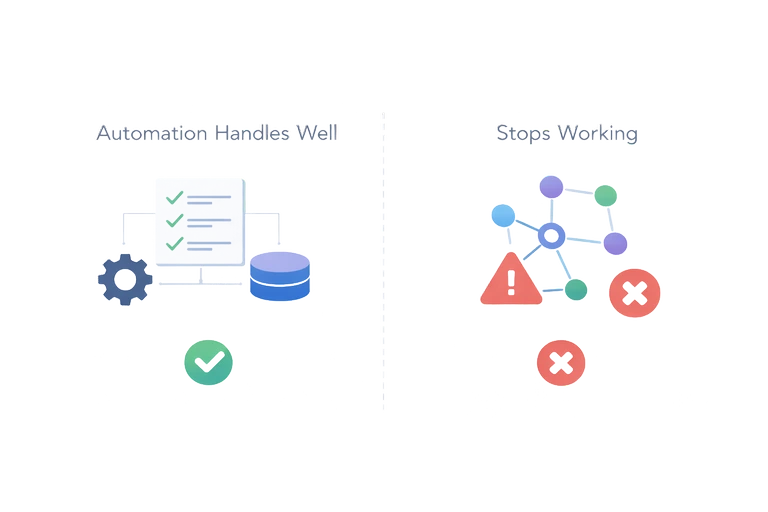
Automation performs best when processes are stable, inputs are predictable, and outcomes do not change based on context. In healthtech operations, this is often only true for a limited period.
Automation struggles when:
At this stage, automation still runs but no longer reduces cognitive load for teams.
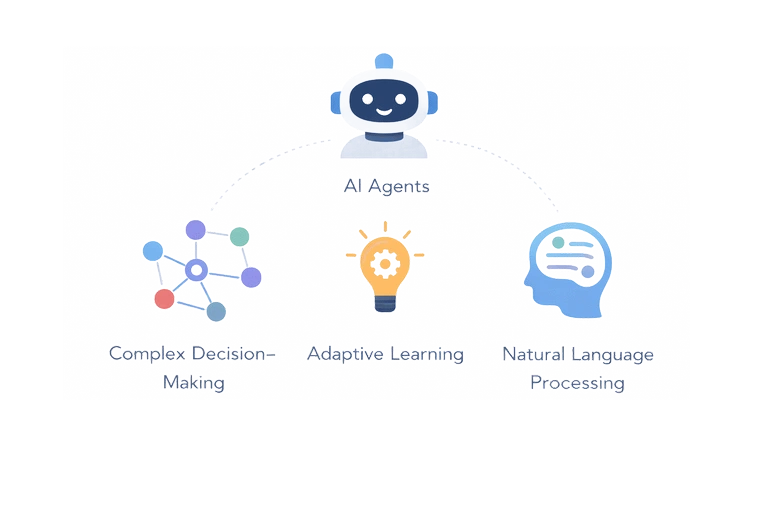
AI agents are used for operational questions that require context, judgment, or synthesis across systems.
Healthtech teams rely on AI agents to:
These are scenarios where rule‑based workflows typically fall short.

AI agents support operational workflows without replacing core systems.
Agents retrieve approved information across intake, scheduling, support, and internal tools to help teams respond quickly without manual searching.
Agents surface relevant data while respecting access controls, logging activity, and maintaining traceability for audits and reviews.
Repeated operational questions are answered consistently, reducing dependency on specific individuals or informal channels.
AI agents operate within existing healthtech infrastructure and governance frameworks. They do not bypass controls or introduce new data exposure.
Typical integrations include:
All access is permission‑based, logged, and aligned with healthcare data protection requirements.
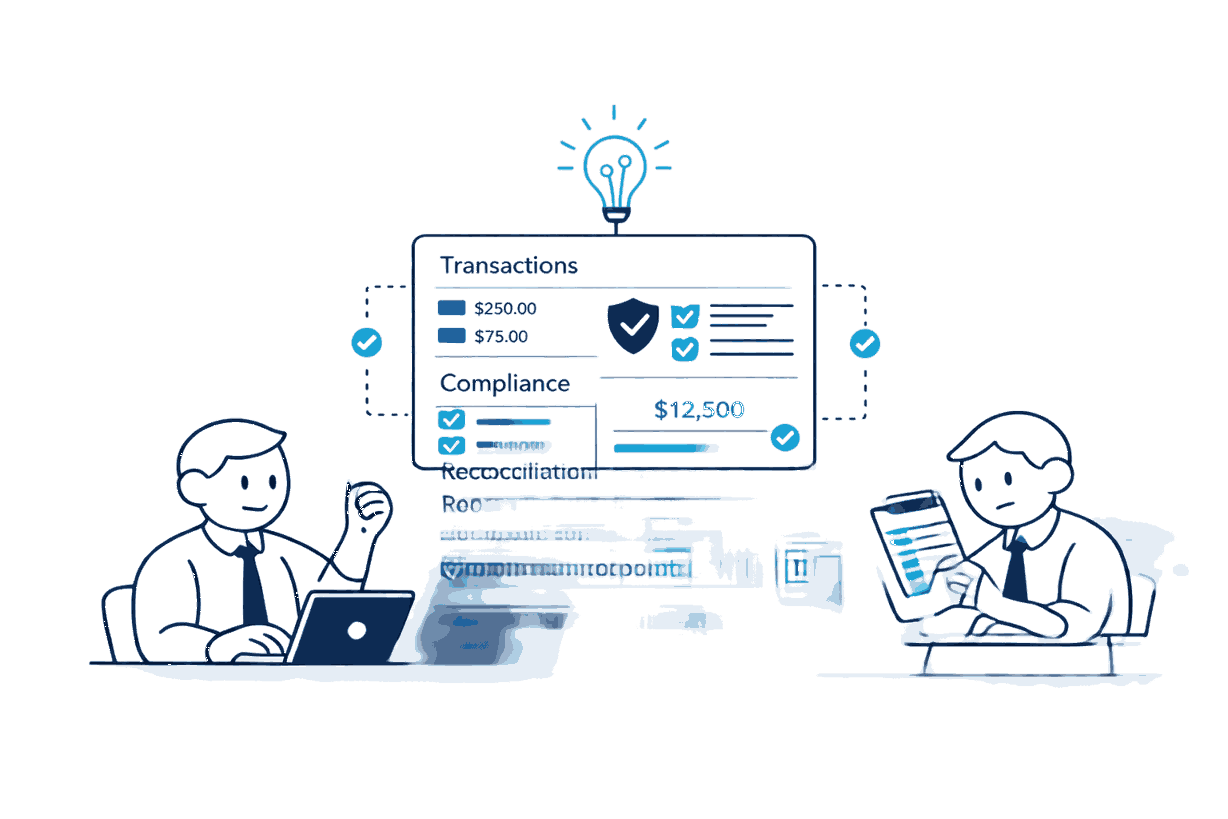
Teams usually explore AI agents when operational strain becomes visible.
Common triggers include:
These signals indicate that operational complexity has outgrown task‑based automation.
Healthtech teams reach a limit with automation when operational work depends on context, judgment, and regulatory awareness rather than predefined steps. AI agents address this gap by supporting how teams access information, verify status, and make decisions across systems without disrupting existing infrastructure. For healthtech operations under compliance pressure, AI agents are not a replacement for automation. They are the layer that makes complex operations workable as scale and risk increase.