Why Retail Teams Struggle With Operational Visibility and How AI Agents Fix It

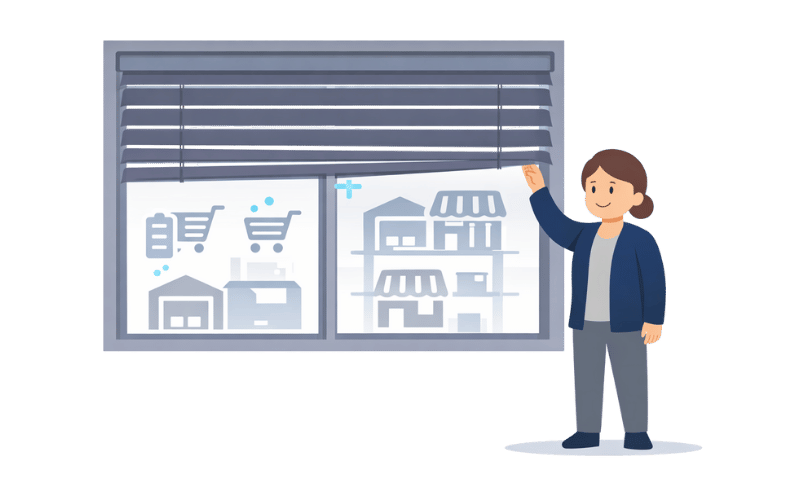
Retail teams make operational decisions every day, but often without a complete or reliable view of what is happening across stores, warehouses, and channels. Data exists, but visibility is limited by how that data is spread across systems and updated at different times. AI agents help retail teams improve operational visibility by connecting systems, aligning signals, and delivering a clear, current picture of operations when decisions need to be made.
Why Retail Teams Struggle With Operational Visibility and How AI Agents Fix It
Why operational visibility is difficult in retail environments

Why operational visibility is difficult in retail environments

Operational visibility breaks down not because retail teams lack data, but because the data is fragmented and context‑poor.

Inventory, orders, fulfillment, staffing, and customer activity are typically managed in separate systems. Each system reflects a partial truth, and none provide a unified operational view.

Common challenges include:

  • Inventory data split across POS, ERP, WMS, and e‑commerce systems
  • Store‑level activity disconnected from central operations
  • Delays between physical activity and system updates
  • Conflicting reports between teams and tools

As a result, teams operate reactively instead of proactively.

What causes visibility gaps across retail operations

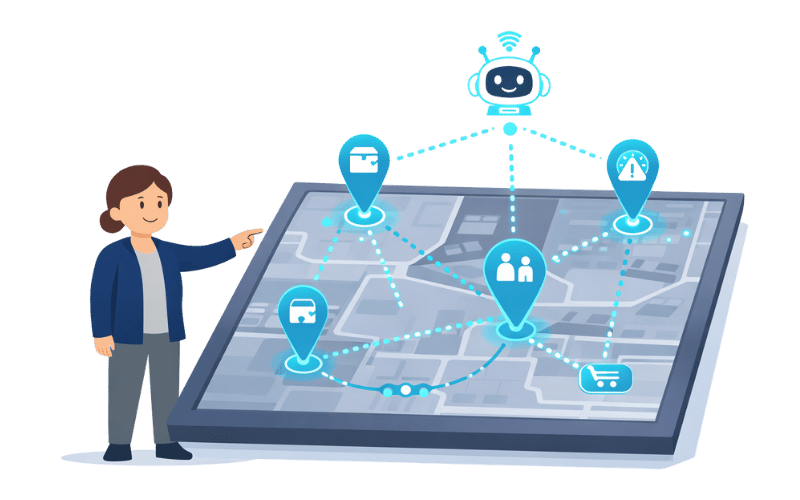
Visibility gaps form between operational events and decision‑making. Most retail systems record transactions, not operational meaning.

Typical points of failure include:

  • Inventory numbers without location or timing context
  • Order statuses that do not reflect fulfillment constraints
  • Store issues reported manually instead of systemically
  • Data reviewed after problems occur rather than as they emerge

When insight depends on reconciliation, visibility arrives too late.
What causes visibility gaps across retail operations

How AI agents restore operational visibility

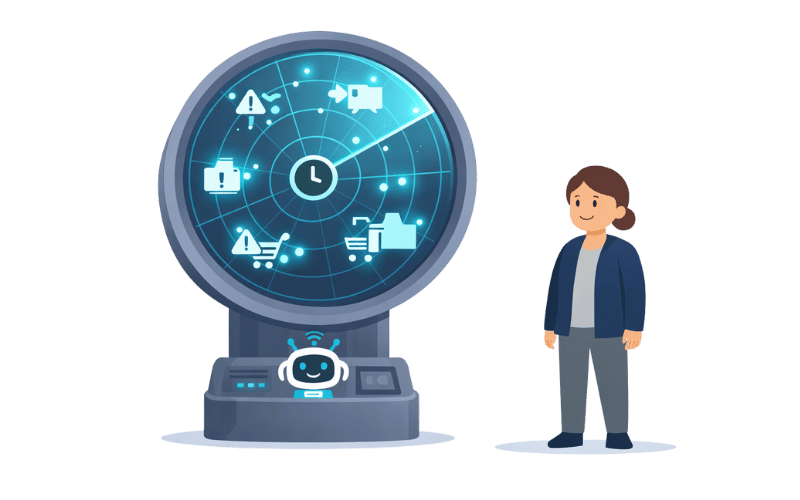
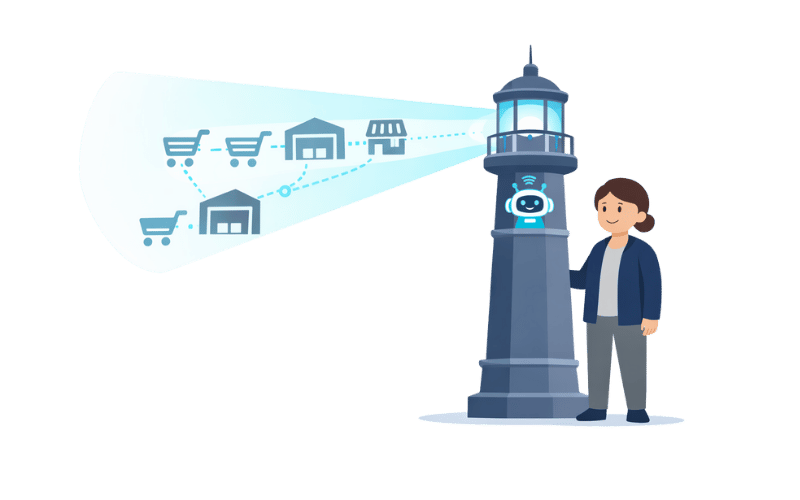
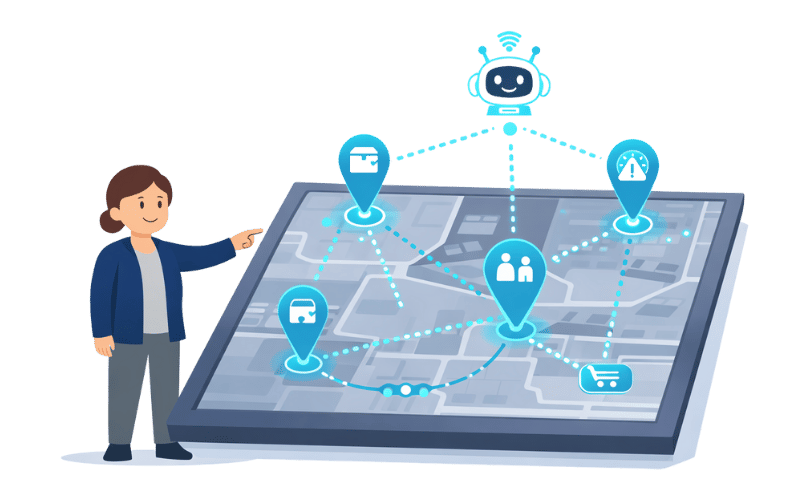
AI agents improve operational visibility by sitting between retail systems and translating raw data into situational awareness.

In practice, AI agents can:

  • Pull signals from multiple retail systems simultaneously
  • Reconcile discrepancies between sources
  • Add context such as timing, location, and operational impact
  • Surface emerging issues instead of static reports

This allows teams to see what is happening, not just what was recorded.

What operational visibility looks like with AI agents in place

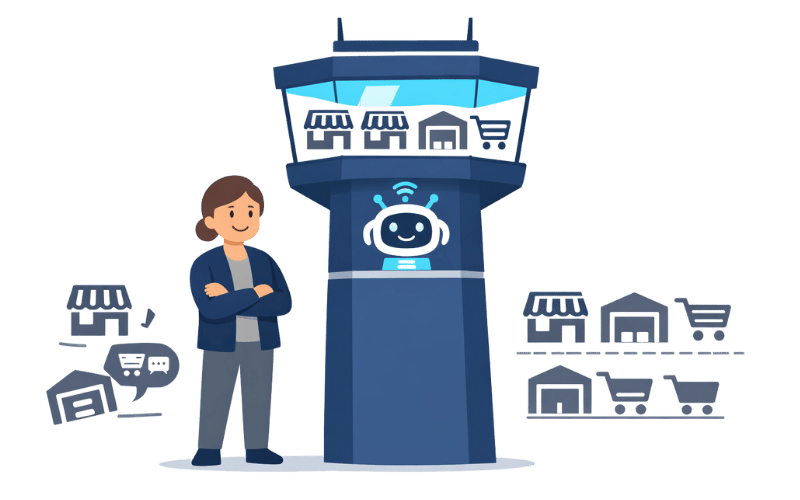
Instead of checking dashboards in isolation, teams receive a coherent operational view.

For example:

  • Operations teams can see when inventory is available but not deployable due to staffing or transfer delays
  • Store managers understand how local issues affect regional fulfillment
  • Central teams identify bottlenecks before customer impact increases

Visibility becomes continuous, shared, and actionable.
How AI agents connect retail operations systems

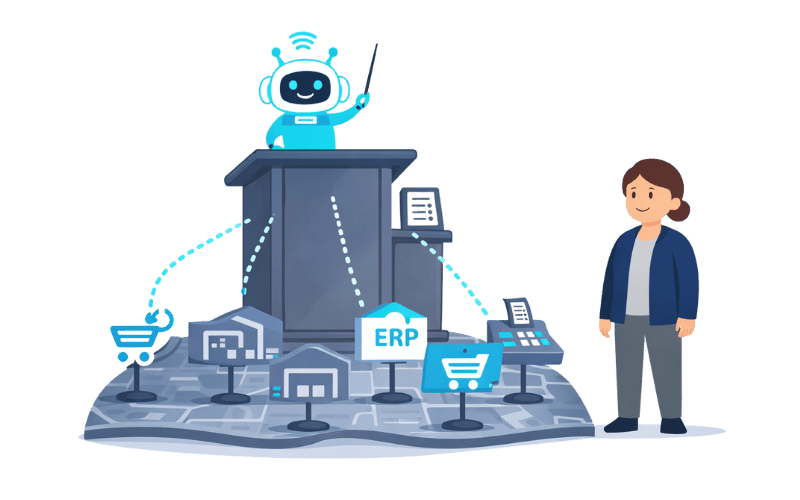
AI agents work with existing retail infrastructure rather than replacing it. They coordinate data flow and interpretation across systems.

Typical integrations include:

  • POS and store systems
  • ERP and inventory platforms
  • Warehouse and logistics tools
  • Order management and e‑commerce systems

All access is permission‑based, and actions are logged for traceability.

When retail teams should address operational visibility with AI agents

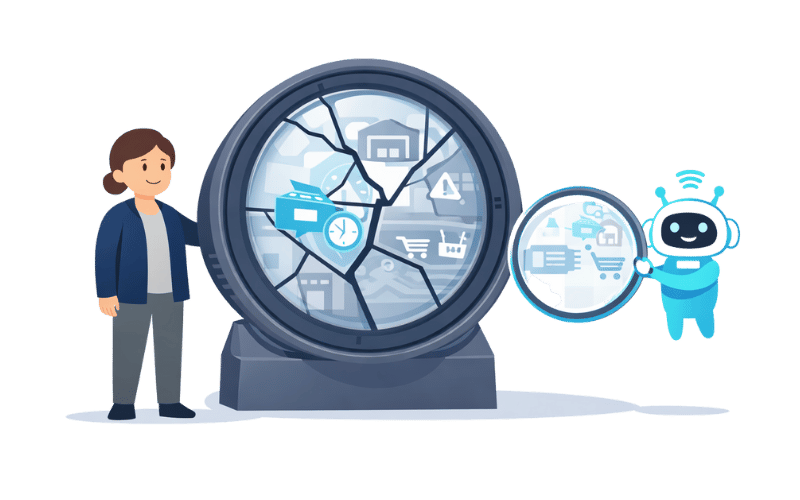
Retail teams typically explore AI agents when visibility gaps begin to affect execution.

Common signals include:

  • Frequent surprises in inventory or fulfillment
  • Store teams escalating issues too late
  • Conflicting operational reports across teams
  • Leadership lacking confidence in operational data

When decisions rely on partial views, AI agents offer a more reliable approach.
When retail teams should address operational visibility with AI agents
Using AI agents to support retail operations teams

Using AI agents to support retail operations teams

AI agents can be introduced without disrupting existing retail systems. They support operations, store teams, and leadership by delivering aligned, contextual visibility.

Logicon designs and implements AI agents that connect retail systems, define visibility logic, and ensure operational clarity. The focus is on decision support and reliability rather than automation for its own sake.

Common questions about operational visibility and AI agents

What does operational visibility mean in retail?
It means having a clear, current understanding of inventory, fulfillment, and store activity across locations and systems.
No. They complement existing tools by aligning data and surfacing context that dashboards alone cannot provide.
They reflect updates as systems change, within the limits of source data refresh cycles.
Operations teams, store managers, supply chain teams, and leadership all benefit from a shared operational view.
AI agents are typically implemented by AI engineering teams like Logicon that specialize in system integration and retail operations.

Final takeaway

Retail teams struggle with operational visibility when data is fragmented across systems and lacks context. Decisions slow down when teams must reconcile information before acting. AI agents help retail teams fix operational visibility by aligning data across systems, adding situational context, and delivering a clear operational picture. This allows teams to anticipate issues, coordinate better, and execute with confidence without replacing the systems they already use.