
Supply chain operations rely on many interconnected systems to manage planning, sourcing, logistics, inventory, and fulfillment. As organizations grow, these systems often multiply rather than consolidate. While each system serves a specific purpose, the overall result is slower decision‑making, reduced visibility, and increased manual effort. AI agents help supply chain teams operate more efficiently by connecting fragmented systems and enabling faster access to accurate, contextual information.
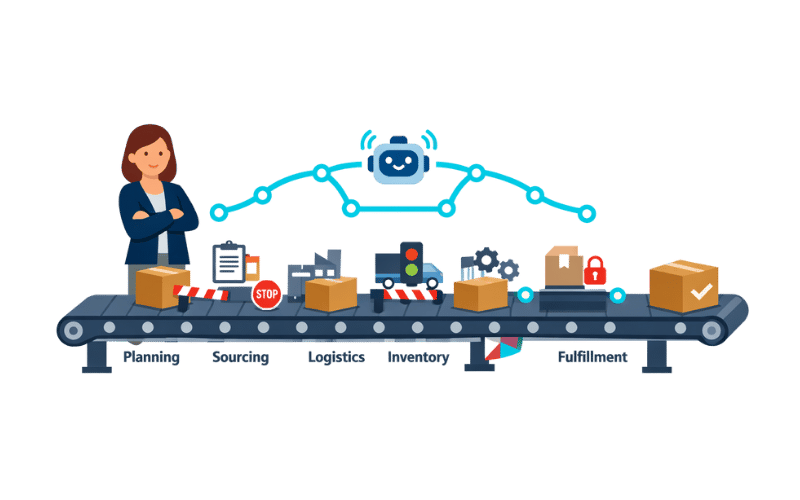
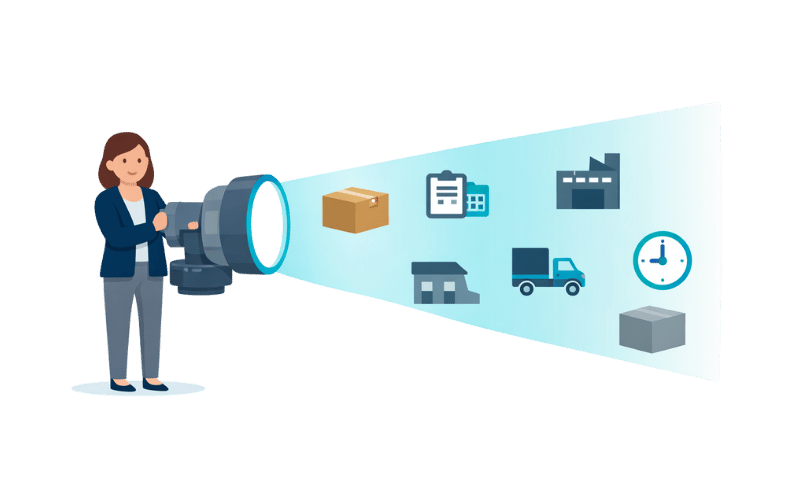
Supply chain operations slow down because information becomes distributed across planning tools, ERP systems, warehouse platforms, transportation systems, and spreadsheets. Each system holds part of the picture, but no single view reflects the current operational state.
For example, when teams need to answer a question like “Why is this order delayed and what should we do next?”, they often have to check inventory availability, supplier lead times, warehouse capacity, and carrier updates separately. By the time this information is reconciled, the opportunity to act quickly has often passed.
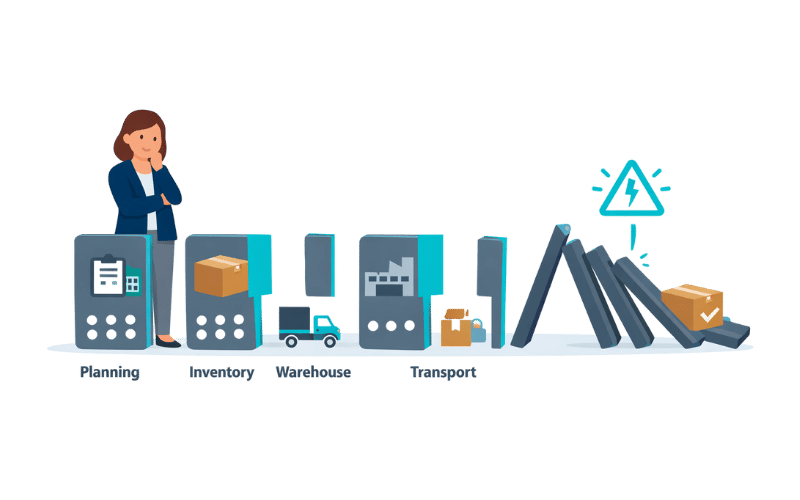
As systems increase, time is lost not in execution, but in locating, verifying, and aligning information.
As systems multiply, supply chain teams often experience:
These challenges compound as volume and complexity increase.
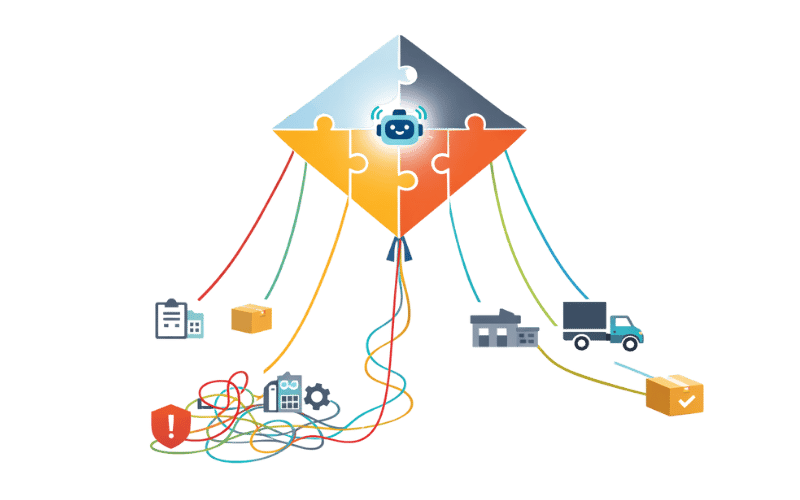
AI agents act as a connective layer across supply chain systems. They retrieve, align, and present information from multiple sources so teams can understand what is happening without manually switching between tools.
In practice, AI agents can:
This reduces investigation time and improves operational flow.
With AI agents supporting daily operations, teams spend less time searching for information and more time acting on it.
For example:
Operations become more predictable and easier to manage.
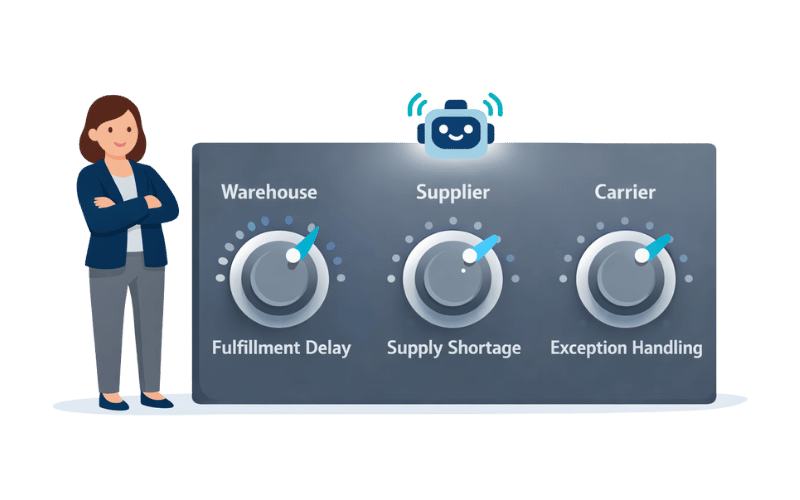
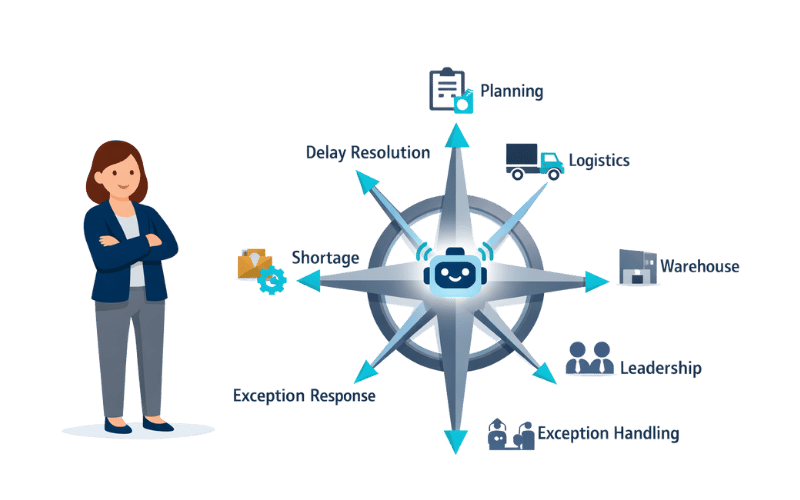
AI agents help supply chain teams make decisions with greater speed and consistency by ensuring information from multiple systems is aligned and accessible.
Teams can understand delays, shortages, or exceptions without manually tracing data across tools.
Decisions are based on the same verified information, reducing conflicting actions across teams.
Less time is spent reconciling data between planning, logistics, and warehouse teams.
Leaders gain a clearer view of supply chain status without relying on offline reports or ad‑hoc updates.
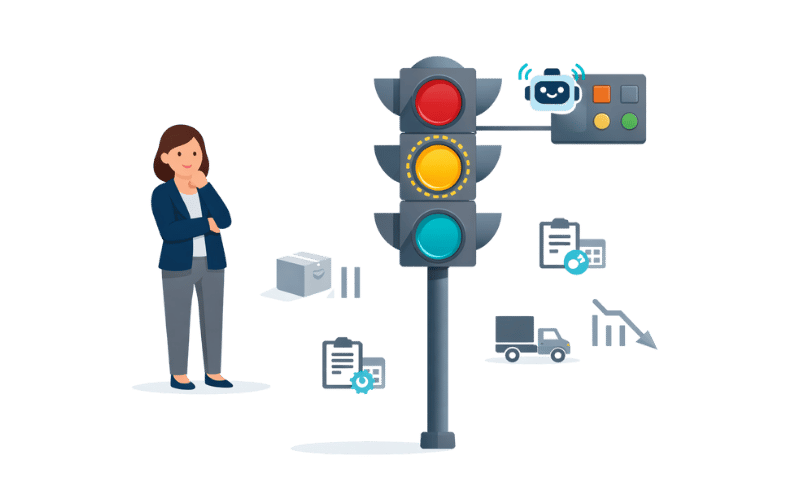
Teams often explore AI agents when operational slowdowns become systemic. Common indicators include:
When coordination depends on manual reconciliation, AI agents offer a more scalable approach.
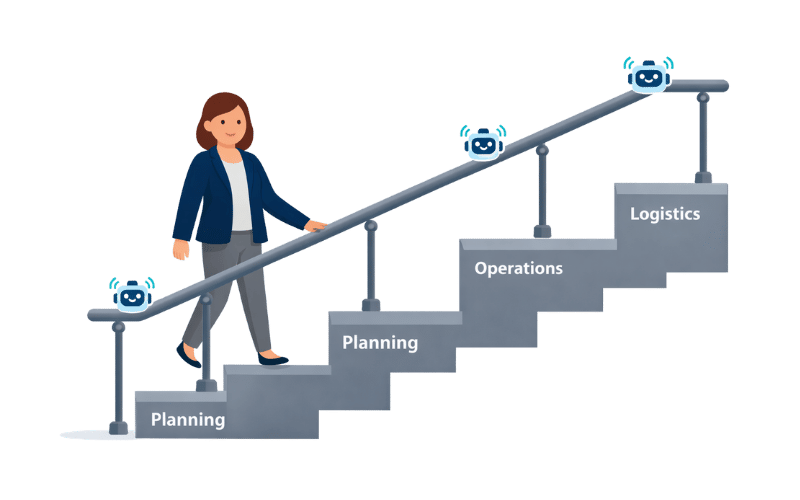
AI agents can be introduced incrementally without disrupting existing processes. They support planners, operations managers, and logistics teams by ensuring accurate information is accessible when decisions need to be made.
Logicon designs and implements AI agents that connect supply chain systems, align with operational workflows, and prioritize clarity and reliability over automation for its own sake.
Supply chain operations slow down as systems multiply because critical information becomes fragmented across tools and teams. When visibility depends on manual reconciliation, delays and inconsistencies become unavoidable. AI agents help fix this by connecting systems, surfacing relevant context, and enabling faster, more informed decisions. This allows supply chain teams to operate with greater speed, clarity, and resilience without replacing the systems they already rely on.